
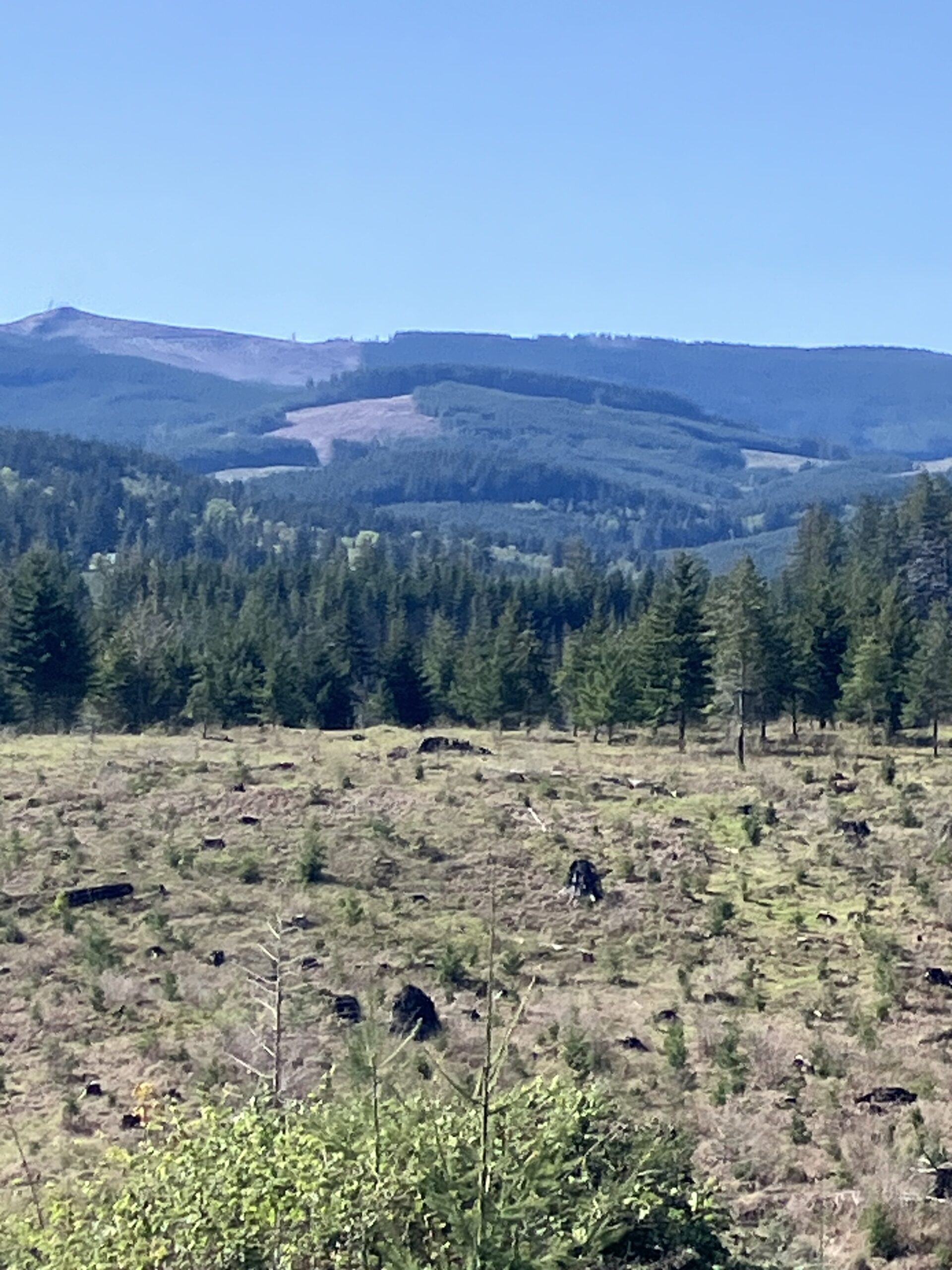
From an Oregon Land Specialist Whose Grandfather Helped Write Oregon’s Reforestation Bylaws
A conservation easement is one of the few legal restrictions you can place on Oregon farmland that can permanently change its value, in either direction, depending on the buyer. Sellers who want to keep their land in farm use permanently and gain a tax benefit may find an easement a good fit. But if a buyer doesn’t know the property has a recorded easement, the restriction can create a major gap between what they expect to purchase and what they can actually use.
My grandfather was Oregon’s State Forester in the 1930s and helped write the state’s reforestation bylaws — conservation of working land is close to the family history, not just a topic I picked up. I’ve spent more than 20 years selling Oregon bare land, EFU farmland, and timberland, and conservation easements come up regularly enough that every buyer and seller of farm or timber ground should understand what one actually does before it’s on the table.
What a conservation easement actually is
A conservation easement is a voluntary, legally binding agreement — typically between a landowner and a qualified land trust or public agency — that permanently limits certain uses of the land in order to protect its conservation values: farmland, forest, wildlife habitat, water quality, or scenic character. It’s recorded against the property’s title, which means it doesn’t expire when the land sells. It runs with the land, binding every future owner, not just the person who granted it.
This is the part people misunderstand most: a conservation easement does not transfer ownership. The landowner still owns and can sell, lease, farm, or pass down the property.
Read more: Farm Deferral in Oregon: How Special Assessment Actually Works
Why a landowner would choose to place one
I see landowners near growing areas who want protection from future development pressure, as well as owners who want to benefit from the tax advantages that a donated or bargain-sale easement may provide.
Because federal and state tax rules change over time, you should discuss the tax implications with a tax professional who has experience with conservation transactions. Don’t make general assumptions about the tax benefits when pricing the land.
Read more: EFU Zoning in Oregon: What Exclusive Farm Use Actually Restricts Before You Buy or Sell
How it affects value — and it cuts both ways
Permanently removing development rights generally reduces a property’s market value compared with unrestricted land of the same size and soil quality because the easement removes part of the value a future buyer might place on the option to subdivide or develop the property. However, a buyer who intends to farm or manage timber rather than develop the land may find that discount beneficial because it can make productive ground more affordable, while the easement does not affect the land’s underlying agricultural value. The land doesn’t lose value as farmland. Instead, the easement reduces its value as speculative development land, which may not matter to a buyer who plans to keep the property in agricultural use.
What buyers need to check before making an offer
This is where I see the most risk. The specific terms also vary significantly from one easement to another, including what the easement restricts, what it still permits, whether it allows building envelopes, and whether it protects or limits agricultural use. Two parcels may both carry a “conservation easement” yet have very different real-world restrictions.
Read more: Oregon Timberland For Sale in the Willamette Valley: 2026 Buyer’s Guide
Five things to check on any parcel with a conservation easement
- Get the actual easement document from title, not a summary. Read what it specifically restricts and what it specifically allows — farm use, structures, further division, commercial activity.
- Confirm who holds the easement — a specific land trust or public agency — and whether they’re still active and reachable, since they typically have ongoing monitoring and enforcement rights.
- Check for a reserved building envelope. Many farmland easements still permit a home or farm structures within a defined area, but not everywhere on the parcel.
- Ask whether agricultural use is protected or restricted. Most farmland conservation easements are specifically designed to preserve farm use, not prevent it — but confirm this rather than assuming.
- Understand this is permanent. Unlike zoning, which can theoretically change, a recorded conservation easement generally cannot be undone by a future owner simply deciding they’d prefer different terms.
Land trusts active in the counties I work
Oregon has a strong network of land trusts working specifically in the Willamette Valley — organizations focused on protecting farmland, oak habitat, wetlands, and river corridors across Marion, Polk, Yamhill, Linn, Benton, and Clackamas counties. If you’re a landowner considering an easement, working with the right regional trust for your specific conservation goals matters as much as the decision to do it at all.
Why this is a land specialist conversation, not a generalist one
Conservation easements sit at the intersection of real estate, land use law, and tax strategy — exactly the kind of overlapping expertise a residential-focused agent doesn’t encounter often. I’ve walked both sellers considering granting an easement and buyers evaluating restricted parcels through what the document actually means for their specific goals, and the answer is almost never a simple yes-or-no on whether it’s “good” or “bad” — it depends entirely on what you’re trying to do with the land.
Frequently asked questions
Does a conservation easement mean I can’t farm the land?
Almost always, the opposite is true. Most farmland conservation easements specifically preserve and protect ongoing agricultural use. They typically restrict subdivision and non-farm development, not farming itself.
Can a conservation easement be removed later?
Generally, no. Conservation easements usually remain permanent, and property owners record them against the title to ensure they continue through changes in ownership. In some narrow circumstances, the parties may amend an easement, but the process is complex and does not guarantee approval.
Do I get a tax benefit if I buy land that already has a conservation easement on it?
The original tax benefits typically belong to the landowner who granted the easement, not to a subsequent buyer. A buyer purchasing already-restricted land is generally paying a market price that reflects the existing restriction, not receiving a fresh deduction.
How do I know if a parcel I’m considering has an easement on it?
It should show up in a title report, but always confirm directly — ask for the recorded easement document itself, not just a mention that one exists, before you get attached to the property.
Understand exactly what you’re buying or granting
Whether you’re a landowner weighing a conservation easement for the tax and legacy benefits, or a buyer looking at farmland that already carries one, I’d rather walk through the actual recorded document with you than let either side guess at what it really means.
About Al Cronemiller — Oregon Land Specialist, MORE Realty, Salem, Oregon. Started working timber with his father at age 12 — cruising timber, running property lines, building logging roads. His grandfather was Oregon State Forester in the 1930s and helped write Oregon’s reforestation bylaws; Cronemiller Lake near Corvallis is named after him. Al spent five years in the City of Salem survey department, owned a construction and remodeling company for 30 years as a licensed general contractor, and worked as a commercial property buyer for institutional hedge fund clients. He holds Land Specialist and Multi-Family Specialist designations and has spent 20+ years selling Oregon bare land, EFU farmland, timberland, and investment property.
This is Al Cronemiller, your Salem Oregon Bare Land Specialist. I always answer.
503-949-5025 | al@cronemiller.com | HomesForSaleSalemOregon.net
This article is educational and general in nature. It is not legal or tax advice — talk with a qualified attorney, tax professional, or land trust representative about your specific situation.
2 Responses