
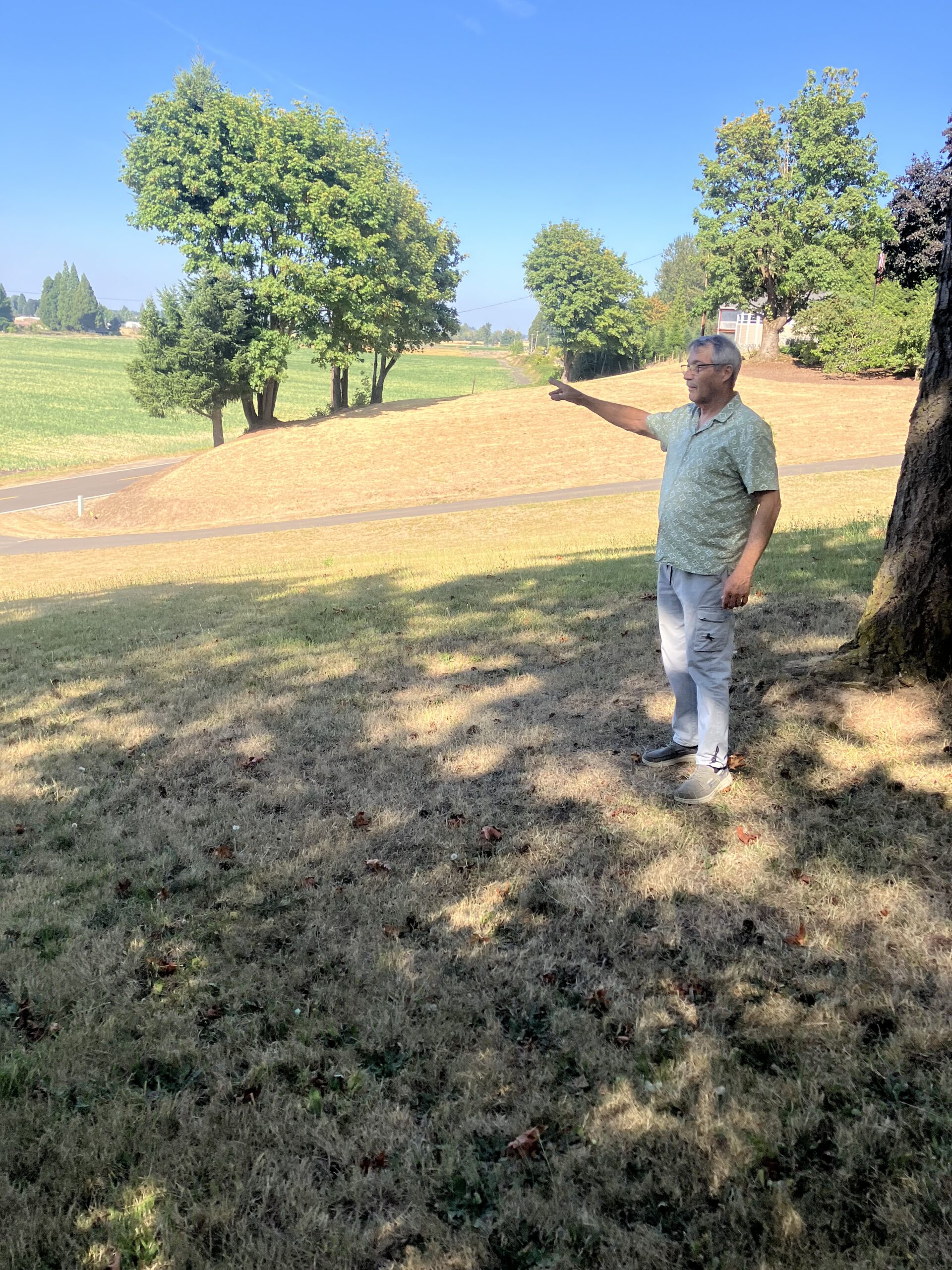
From a Land Specialist and 30-Year Licensed General Contractor Who’s Sold Oregon Land for 20+ Years
If you’ve had a parcel of Oregon bare land sitting on the market for months — or you’ve tried to sell it before and gave up — you’re not doing anything unusual. Bare land is a fundamentally different sale than a house. It moves slower, it attracts a smaller buyer pool, and it gets marketed wrong far more often than homes do. In my 20+ years selling Oregon bare land, EFU farmland, and timberland, I’ve walked into almost every version of “why isn’t this selling,” and it almost always comes down to one of six things.
Why Your Oregon Bare Land Isn’t Selling
1. It’s priced off the wrong comparables
The biggest reason bare land sits on the market is that sellers price it using home sale logic or a generic per acre figure from a national land website instead of using comparable local land sales. Land value depends on factors that home appraisals often overlook, including zoning, soil class, water rights, access, and buildability. Two ten acre parcels located half a mile apart can have very different values if one has EFU restrictions and no legal access while the other has road frontage and a septic approved building site. If you set your listing price using a Zillow style algorithm or a quick comparable search, you may have identified the first major problem.
Learn more: How Do I Find Out If My Oregon Land Has Water Rights? (Step-by-Step Verification Guide)
2. Buildability was never confirmed — or never disclosed
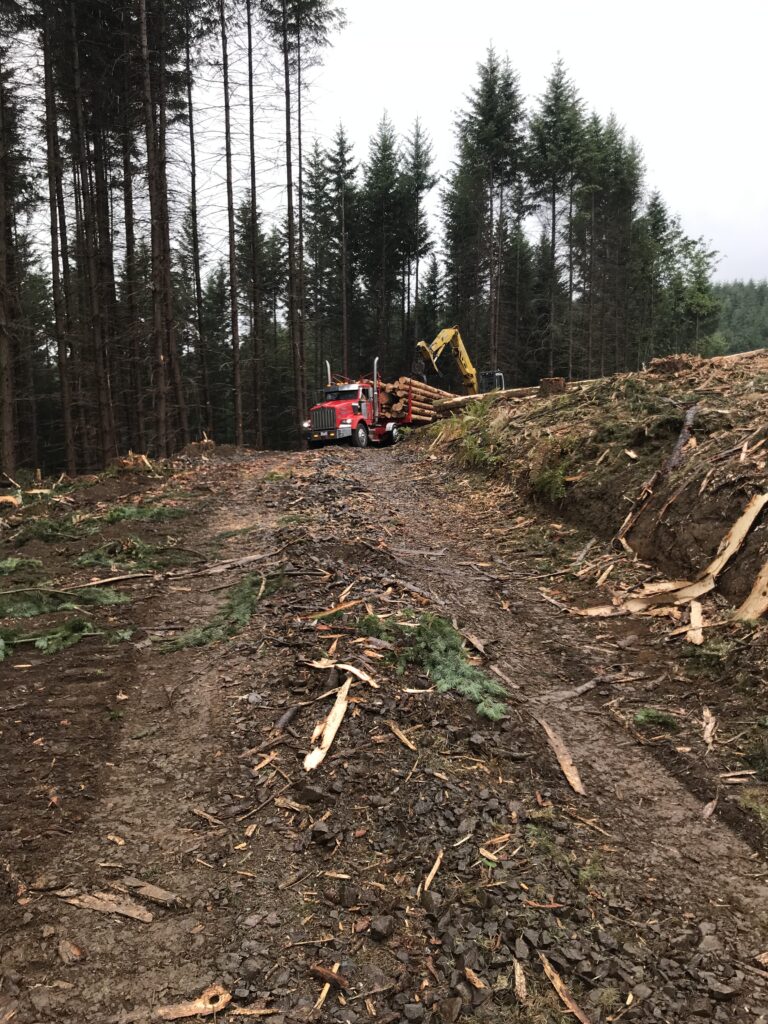
This is the one that kills deals late, after months of “interest” that never turns into offers. Buyers who are seriously looking at bare land almost always want to know: can I build here? That means:
- A septic feasibility test (or confirmation of an existing approved system)
- Confirmed legal access — a recorded easement or road frontage, not just a driveway that’s “always been used”
- Zoning that actually allows a residence, and if it’s EFU, whether the parcel meets the state’s farm-income or other qualifying tests
- Utility access, or a realistic well and power plan
If your listing doesn’t answer these questions up front, serious buyers move on to a parcel that does — and you never even hear from them.
3. The marketing treated it like a house
Land buyers search differently than home buyers, and they need different information. A listing with one blurry photo of a field and a description that says “beautiful acreage, great potential” tells a buyer nothing they can act on. What sells bare land is an aerial or drone shot showing the actual boundary and terrain, a soil map, a clear statement of zoning and permitted uses, water rights status, and — critically — distribution to land-specific buyer pools, not just the general residential MLS feed most agents rely on by default.
4. It’s carrying farm deferral and nobody explained what that means to a buyer
If your land qualifies for Oregon’s farm use special assessment, which reduces property taxes for qualifying farmland or forestland, that status can add real value. However, it can also scare off buyers who do not understand the program. Worse, a sale can disqualify the land and leave the buyer with a back tax bill after closing. I cover exactly how that back-tax calculation works in a separate article, but the short version for sellers is: get ahead of this in your listing instead of letting a buyer’s attorney discover it during due diligence.
Read more: Sell or Hold Oregon Bare Land? An Honest Financial Analysis (2026)
5. Title or boundary issues are sitting quietly in the background
Rural Oregon parcels, especially those that families have owned for decades, often contain old mineral reservations, easements that owners never formally released, or fence lines that do not match the recorded legal description. These issues rarely stop a sale when sellers identify and address them early. They absolutely are deal-killers when a buyer’s title company flags them three weeks into escrow and the buyer walks. Having spent five years in the City of Salem survey department and growing up in a land surveying family, this is the first place I look on any listing I take.
6. The pool of buyers who’d actually want this specific parcel was never reached
Land buyers are a niche audience: hunters, hobby farmers, timber investors, builders, 1031 exchange buyers, and people planning to build a homestead. They don’t all search the same places, and they respond to different things — a builder cares about buildable acreage and utilities, a timber buyer cares about board-foot volume and access for equipment, a 1031 buyer cares about like-kind qualification and closing timeline. A generalist listing approach reaches none of them well. A land-specific approach — the right photos, the right facts, the right distribution — reaches all of them.
Read more: Willamette Valley Farmland For Sale: What Buyers Need to Know Before You Buy in 2026
What Actually Fixes a Stale Bare Land Listing
If your parcel has been sitting, here’s the order I work through with a seller:
Re-verify the comps with actual recent land sales — not home sales, not national averages.
Run buildability and access down to a documented answer, so it can be stated as fact in the listing, not left as a question mark.
Check farm deferral, tax-lot, and title status so nothing surprises a buyer’s attorney later.
Rebuild the marketing around what land buyers actually need to see — boundary maps, zoning, water rights, access, and honest photos of the actual terrain.
Get it in front of the specific buyer type this parcel fits — timber buyer, farm buyer, builder, or 1031 exchange buyer — instead of a generic listing feed.
Most of the time, land that’s “not selling” isn’t actually unsellable.
A quick gut-check before you assume the worst
If you’re wondering whether your land is simply unsellable, it helps to separate the parcel from the process. A landlocked, unbuildable, badly zoned parcel is genuinely a harder sell — but that’s rare. Far more often, I find perfectly good land that’s simply never had its buildability confirmed, never been shown to the right buyer pool, or never had its price checked against real land comps. Before you assume there’s something fundamentally wrong with the property, it’s worth having someone who sells land full-time take an honest look and tell you which situation you’re actually in.
Frequently asked questions
How long should bare land take to sell in Oregon?
It varies enormously by parcel, but bare land generally takes meaningfully longer than a house — I cover typical timelines and what affects them in a separate article. If your land has sat well past what’s normal for its type and price point, that’s the signal something in pricing, disclosure, or marketing needs to change.
Should I take my land off the market and try again later?
Sometimes, but usually the smarter move is to diagnose why it isn’t moving first. Pulling a listing and relisting it later at the same price with the same gaps just restarts the clock on the same problem.
Is it worth getting a septic or soil test before listing?
In most cases, yes. Buyers pay a premium for certainty. A parcel that can say “septic-approved” or “confirmed buildable” in the listing draws serious buyers faster than one that leaves it as an unknown.
Will lowering the price fix it if the real problem is disclosure or marketing?
Rarely on its own. If buyers can’t get clear answers about access, zoning, or buildability, a lower price mostly attracts more tire-kickers, not more closings.
Let’s figure out what’s actually going on with your parcel
I’ll look at your listing — or your land, if it’s not listed yet — and give you a straight answer on what’s holding it back. No pressure, no generic script.
About Al Cronemiller — Oregon Land Specialist, MORE Realty, Salem, Oregon. Started working timber with his father at age 12 — cruising timber, running property lines, building logging roads. His grandfather was Oregon State Forester in the 1930s and helped write Oregon’s reforestation bylaws; Cronemiller Lake near Corvallis is named after him. Al spent five years in the City of Salem survey department, owned a construction and remodeling company for 30 years as a licensed general contractor, and worked as a commercial property buyer for institutional hedge fund clients. He holds Land Specialist and Multi-Family Specialist designations and has spent 20+ years selling Oregon bare land, EFU farmland, timberland, and investment property.
This is Al Cronemiller, your Salem Oregon Bare Land Specialist. I always answer.
503-949-5025 | al@cronemiller.com | HomesForSaleSalemOregon.net
This article is educational and general in nature. It is not legal, tax, or financial advice — talk with a qualified attorney, CPA, or your county assessor’s office about your specific situation.
2 Responses