
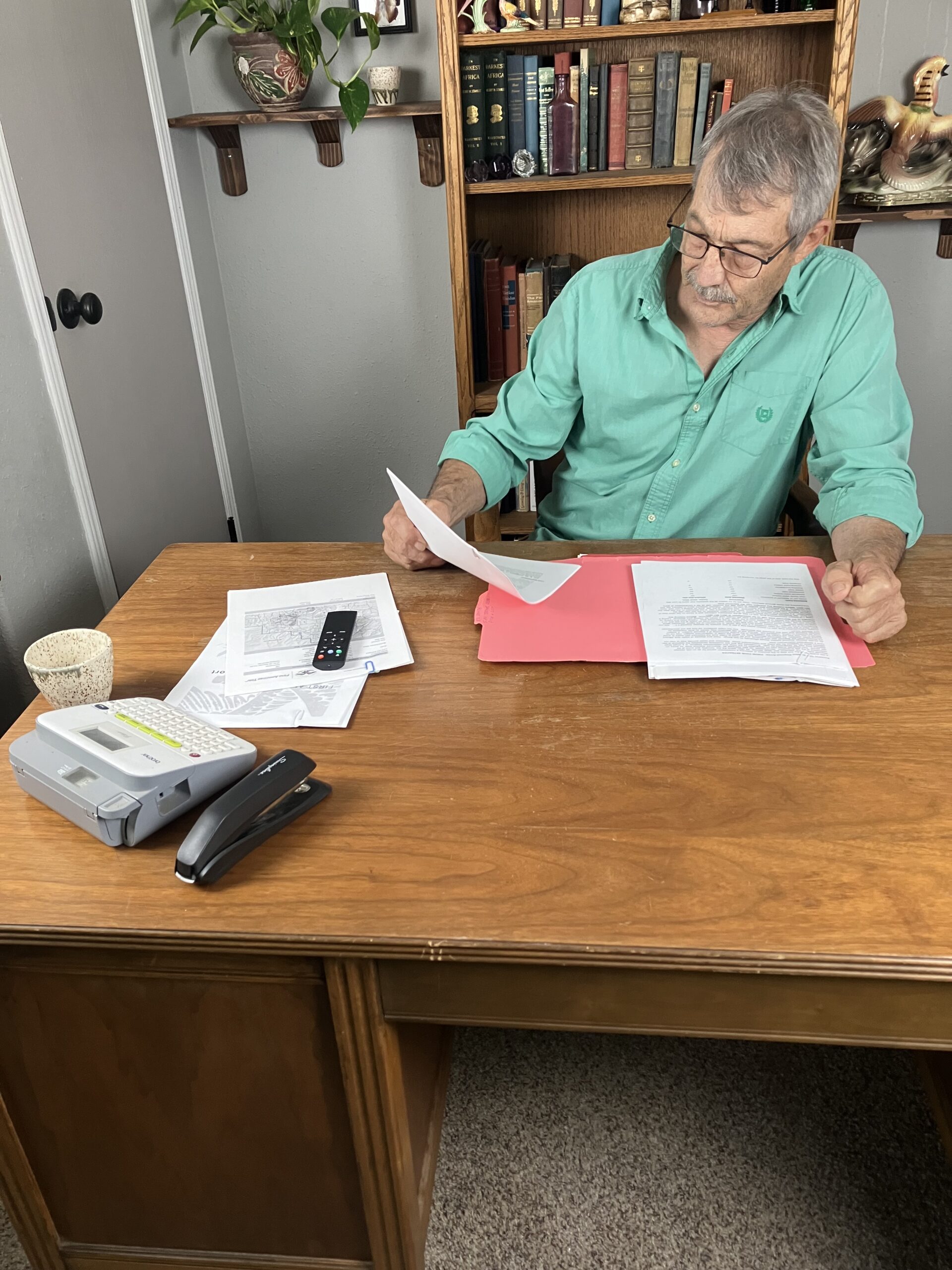
From a 20+ Year Oregon Land Specialist Who Grew Up in a Land Surveying Family
If you’ve started searching “Willamette Valley farmland for sale,” you’ve probably already noticed two things. First, the soil here is genuinely different — Willamette silt loam is some of the most productive farmland in North America, which is why this valley grows everything from hazelnuts and wine grapes to berries, grass seed, and row crops on the same 100 miles of ground. Second, good parcels don’t sit long, and a lot of the best ones never make it to a public listing at all.
I’ve spent more than 20 years selling bare land, EFU farmland, and timberland across the Willamette Valley, and I grew up in a land surveying family — running property lines and cruising timber with my father starting at age 12, then spending five years in the City of Salem survey department. I’m telling you that not to pad a bio, but because most of the mistakes I see farmland buyers make are boundary, access, and zoning mistakes — the exact things a surveying background trains you to catch before you write an offer.
Read more: What Is Oregon’s Urban Growth Boundary? How It Affects Your Land Value
Why Willamette Valley farmland demand is climbing in 2026
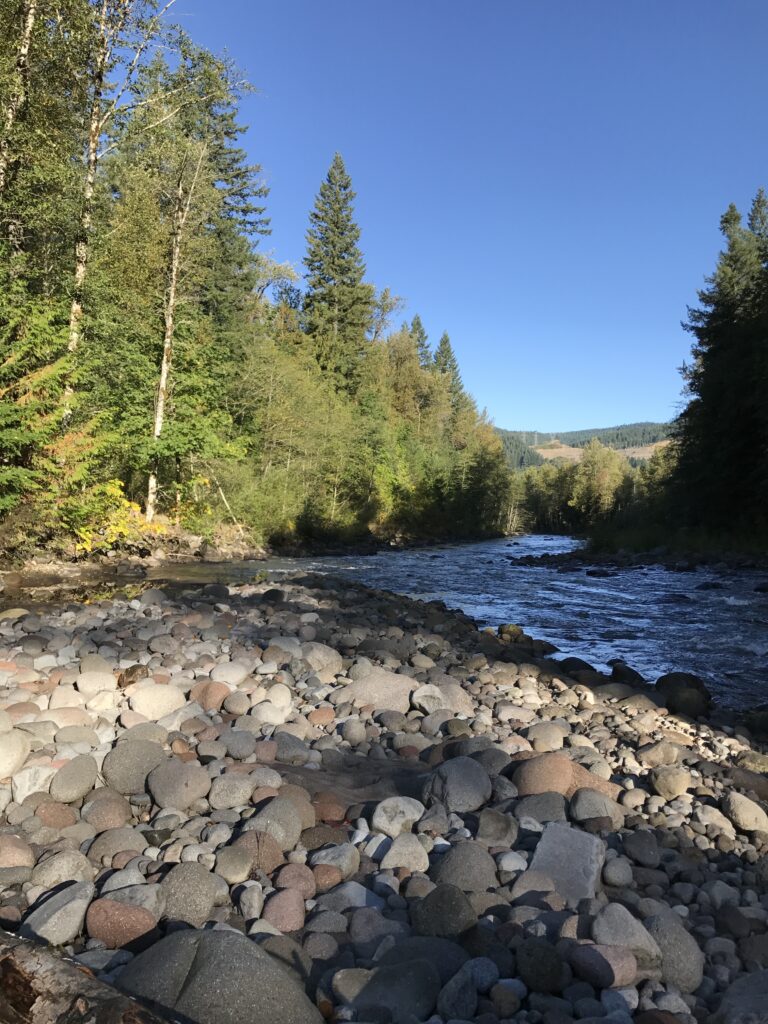
Three things are stacking on top of each other right now. Remote and hybrid work has let more buyers treat “close enough to Portland or Salem” as good enough, which pulls city money into rural counties. Interest in small-scale agriculture — vineyards, hazelnut orchards, U-pick berries, agritourism — keeps growing, and the Willamette Valley is one of the few places in the country where that’s a realistic business, not a hobby. And a wave of long-time owners are aging out of farming and either selling outright or looking at a 1031 exchange into something more passive. That last group is often where the best off-market opportunities come from.
What “farmland for sale” actually means here
Not every parcel marketed as farmland is the same product, and this is where buyers get tripped up:
- EFU-zoned land (Exclusive Farm Use) is restricted to farm use and a narrow list of conditional uses. It’s usually the cheapest land per acre, but building a home on it requires proving farm income or meeting other state tests — this is its own deep topic I cover in a separate article on EFU zoning in Oregon.
- Non-EFU rural residential with tillable acreage costs more per acre but comes with far fewer restrictions on building, subdividing, or changing use.
- Land already under farm deferral (special assessment) is taxed at a reduced farm-use value instead of market value. That’s a real financial benefit while you own it, but it can trigger a significant back-tax bill if you buy it and then take it out of qualifying farm use — something I break down in detail in my article on Oregon farm deferral back taxes.
Knowing which bucket a listing falls into changes what you can actually do with the property, so it needs to be nailed down before you get emotionally attached to a parcel.
Read more: How Do I Sell Timberland in Oregon? (What Buyers Want and How to Maximize Your Return)
What Willamette Valley farmland actually costs
USDA’s most recent statewide farm real estate data put average Oregon farmland value at roughly $3,780 per acre in 2025 — but that’s a statewide blended average across desert range ground, timber, and valley farmland, and it will understate what premium Willamette Valley soil actually trades for. Valley bottom ground with good soil class, water access, and EFU productivity routinely commands multiples of that statewide figure, while marginal hillside acreage can trade well below it. There is no substitute for a current comparable-sales analysis on the specific parcel and soil type you’re looking at — ask for one before you anchor on a number you saw in a national headline.
Five things to check before you make an offer
Water rights. A certificated water right can be worth more than the dirt itself for irrigated crops, and it doesn’t automatically transfer the way people assume.
Soil class and drainage. Class I-II soils support the widest range of crops; Class III-IV limits your options. A county soil survey tells you this before you spend a dime on a perc test or ag consultant.
Boundary and access. Rural parcels frequently have fence lines that don’t match the recorded boundary, and “access” on paper doesn’t always mean a legal, maintained road. This is exactly the kind of thing a land specialist with a surveying background checks as a matter of habit.
Farm deferral status. If the seller is currently getting the reduced special-assessment tax rate, find out what happens to that status at closing and what your obligations are to keep qualifying — or what you’ll owe if you don’t.
Mineral, timber, and easement reservations. Older Willamette Valley deeds sometimes carry reservations that limit what you can do with part of the property. Title work needs to flag these clearly, not bury them in exception language.
Read more: Sell or Hold Oregon Bare Land? An Honest Financial Analysis (2026)
Where the good parcels are — and aren’t listed
I work farmland across Marion, Polk, Yamhill, Linn, Benton, and Clackamas counties, with towns like Salem, Dallas, Monmouth, Newberg, Woodburn, Canby, Albany, and Corvallis all inside that footprint. A meaningful share of the best-producing ground changes hands quietly — a longtime owner ready to retire, an heir who wants out of active farming, an estate that needs to liquidate. Those sellers often talk to one land specialist before anything ever goes to MLS, which is a big part of why working with someone who specializes specifically in Oregon land — not a generalist residential agent — matters if you want a shot at those parcels.
Why a land specialist instead of a general Realtor
Farmland transactions touch water law, farm-use taxation, soil science, and sometimes 1031 exchange timing all at once. A generalist agent who mostly sells subdivision homes isn’t wrong to try, but they’re learning on your transaction. I’ve spent two decades focused specifically on Oregon bare land, EFU farmland, and timberland — including a 30-year background as a licensed general contractor and direct experience buying commercial property for institutional clients — so the due diligence checklist above isn’t theoretical for me, it’s Tuesday.
Read more: How Do I Find Out If My Oregon Land Has Water Rights? (Step-by-Step Verification Guide)
Frequently asked questions
Is Willamette Valley farmland a good investment in 2026?
For buyers with a genuine ag use, a long time horizon, or a 1031 exchange to place, valley farmland has historically held value well because productive soil is a finite, non-reproducible asset. It is not a liquid, short-term flip investment — plan to hold it.
Can I build a house on farmland I buy?
It depends entirely on the zoning. Non-EFU rural residential land usually allows a home outright. EFU-zoned land requires meeting specific state tests, most commonly proving the parcel supports a qualifying farm income. Check this before you buy, not after.
Do I need to farm the land myself to keep the tax benefit?
Farm deferral (special assessment) generally requires the land to stay in qualifying farm use, regardless of who owns it. Leasing to an active farmer can satisfy this in many cases — talk to the county assessor’s office and your own advisor about your specific parcel.
What’s the minimum acreage to qualify for EFU or farm-use tax treatment?
This varies by soil class and county, and it’s genuinely worth a five-minute phone call rather than guessing from a national article, since Oregon’s rules differ from other states.
Talk to someone who knows this ground
If you’re looking at Willamette Valley farmland — whether it’s your first hobby farm or your next 1031 placement — I’d rather spend fifteen minutes on the phone walking through a specific parcel with you than have you guess. I also hear about off-market farm and timber parcels before they’re public.
About Al Cronemiller — Oregon Land Specialist, MORE Realty, Salem, Oregon. Started working timber with his father at age 12 — cruising timber, running property lines, building logging roads. His grandfather was Oregon State Forester in the 1930s and helped write Oregon’s reforestation bylaws; Cronemiller Lake near Corvallis is named after him. Al spent five years in the City of Salem survey department, owned a construction and remodeling company for 30 years as a licensed general contractor, and worked as a commercial property buyer for institutional hedge fund clients. He holds Land Specialist and Multi-Family Specialist designations and has spent 20+ years selling Oregon bare land, EFU farmland, timberland, and investment property.
This is Al Cronemiller, your Salem Oregon Bare Land Specialist. I always answer.
503-949-5025 | al@cronemiller.com | HomesForSaleSalemOregon.net
This article is educational and general in nature. It is not legal, tax, or financial advice — talk with a qualified attorney, CPA, or your county assessor’s office about your specific situation.
One Response