
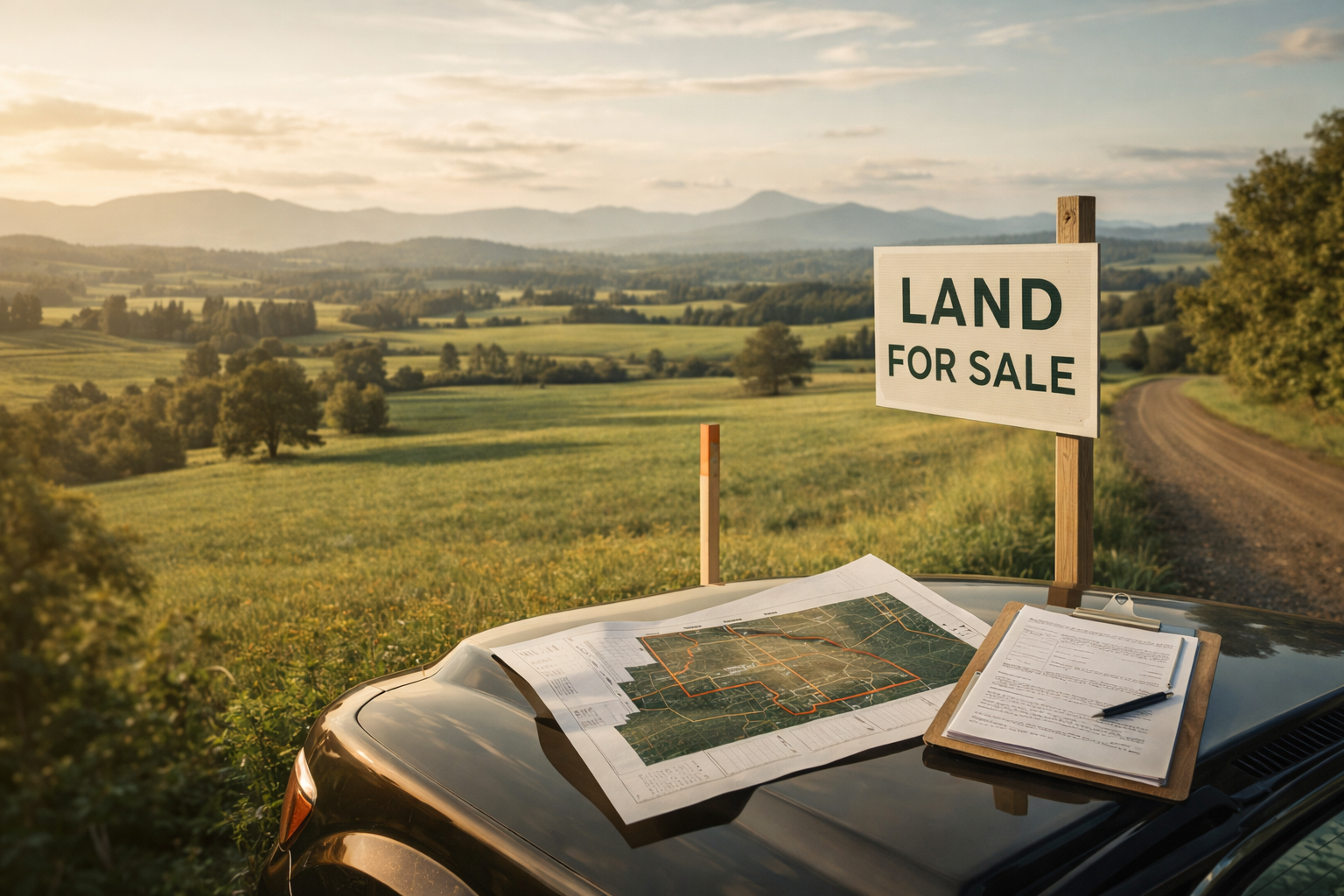
How to Sell Land in Oregon: The 7-Step Expert Process
Selling land in Oregon is fundamentally different from selling a home — and most sellers discover that the hard way when they’re already in the middle of the process. The wrong agent, wrong price, or wrong strategy can cost you months of time and tens of thousands of dollars. This guide walks you through every step.
Why This Matters
Oregon has one of the most regulated land use systems in the country. Pricing, marketing, and legal compliance require specialist knowledge that most residential agents simply don’t have.
Step 1: Get a Real Land Valuation
Before anything else — before you call an agent, post online, or tell a neighbor — you need to know what your land is genuinely worth. Automated tools like Zillow are notoriously inaccurate for land parcels. A professional valuation considers:
Zoning and permitted uses — EFU, Forest, Rural Residential each create a completely different value profile
Soil quality and agricultural classification — critical in the Willamette Valley
Water rights, wells, and irrigation access
Timber resources, road access, and proximity to development
Genuine comparable sales of similar parcels — not automated estimates
Key Factors Driving Oregon Land Value
Zoning & permitted use — Very High impact
Water rights & access — Very High impact
Soil quality / farmland classification — High impact
Road access / infrastructure — High impact
Timber resources — Significant impact
Development potential — Significant impact
Step 2: Gather Your Documentation
Deals die in due diligence when sellers can’t produce basic documents. Pull these together before listing.
1. Deed & Legal Description
The foundation of any land transaction — confirm the legal description matches what you think you own.
2. Current Survey or Plat Map
Boundary clarity prevents disputes that still derail deals at the last minute.
3. Property Tax Records
Current tax bills, any back taxes owed, and special farm or forest deferral status.
4. Water Rights Certificates
Especially critical in Oregon where water rights are separately administered from land ownership.
5. Zoning Confirmation
A letter from your county confirming current zoning and any conditional use approvals.
Step 3: Resolve Title Issues Before You List
Order a preliminary title report before going to market. Old liens, boundary disputes, unclear easements, and ownership gaps are the most common deal-killers in land transactions — and finding them before a buyer does prevents losing a signed contract at the worst moment.
Common Deal Killers
Title issues discovered during due diligence
Zoning surprises the seller didn’t disclose
Overpricing that fails appraisal
Buyer financing falling through on bare land
Step 4: Choose a Land Specialist — Not a Generalist
Most real estate agents are qualified for residential transactions. Oregon land sales require expertise in land use law, agricultural and timber valuation, water rights, and 1031 exchange strategy. These are not skills most residential agents have.
I hold a land specialist designation at MORE Realty, spent 30 years as a licensed general contractor, and have hands-on surveying experience across the Willamette Valley. This depth of background isn’t common — and it shows up directly in pricing accuracy and transaction outcomes.
Step 5: Market to the Right Buyers
Oregon land buyers are not the same as home buyers. My marketing strategy for each listing is built around the specific buyer most likely to pay a strong price for that parcel:
Agricultural operators seeking to expand operations
1031 exchange investors with deadlines and motivation to close fast
Recreational and lifestyle buyers seeking Oregon’s rural character
Conservation organizations protecting farmland and habitat
Step 6: Negotiate Strategically
When offers arrive, price is just one variable. Contingencies, earnest money, due diligence period, closing timeline, and seller financing options all affect the true quality of an offer.
Protecting your financial interests while keeping the deal moving requires experience — especially when complications arise.
Step 7: Address Your Tax Strategy Before Closing
This is the step most sellers skip — and it’s often the costliest mistake. Once you close, your options narrow significantly. If your land has appreciated, a 1031 exchange can defer all capital gains taxes (federal and Oregon state — potentially 25–30% of your gain) by reinvesting in qualifying replacement property.
Key Insight
A 1031 exchange must be set up with a qualified intermediary before closing. If you wait until after the sale, you’ve permanently lost this option.
Ready to Sell Your Oregon Land?
Al Cronemiller is Oregon’s leading land specialist. Get a free professional land valuation and sale strategy — no pressure, just straight answers.
Call: 503-949-5025
Al Cronemiller — Oregon Land Specialist | MORE Realty
Al is Oregon’s leading land specialist with 30 years of general contractor experience, hands-on surveying background, and deep expertise in timberland, farm use, 1031 exchanges, and investment real estate. Based in Salem, serving the Willamette Valley and all of Oregon.
Key Takeaways
Never price Oregon land from Zillow — get a professional valuation
Gather documentation before listing to prevent due diligence surprises
A land specialist dramatically outperforms a generalist agent for land sales
Address 1031 exchange strategy before closing, not after
The right marketing targets your specific buyer type — not the broadest audience