
Conservation Easements on Oregon Farmland: What They Restrict and What They’re Actually Worth
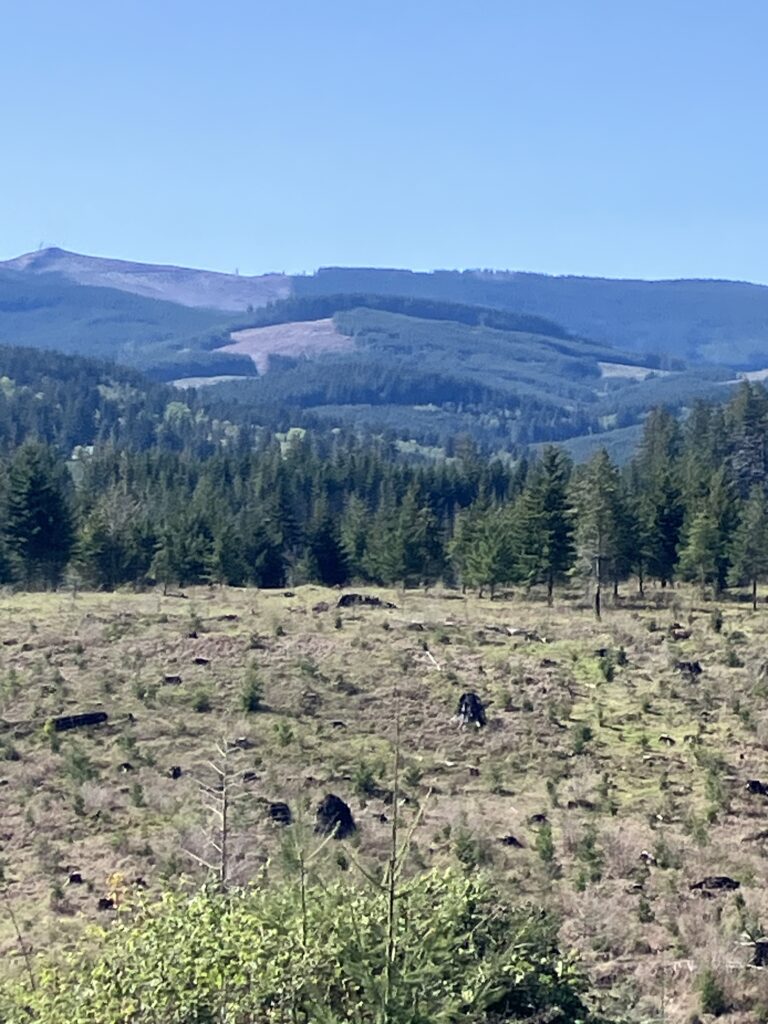
From an Oregon Land Specialist Whose Grandfather Helped Write Oregon’s Reforestation Bylaws A conservation easement is one of the few legal restrictions you can place on Oregon farmland that can permanently change its value, in either direction, depending on the buyer. Sellers who want to keep their land in farm use permanently and gain a tax benefit may find an easement a good fit. But if a buyer doesn’t know the property has a recorded easement, the restriction can create a major gap between what they expect to purchase and what they can actually use. My grandfather was Oregon’s State Forester in the 1930s and helped write the state’s reforestation bylaws — conservation of working land is close to the family history, not just a topic I picked up. I’ve spent more than 20 years selling Oregon bare land, EFU farmland, and timberland, and conservation easements come up regularly enough that every buyer and seller of farm or timber ground should understand what one actually does before it’s on the table. Contact Me What a conservation easement actually is A conservation easement is a voluntary, legally binding agreement — typically between a landowner and a qualified land trust or public agency — that permanently limits certain uses of the land in order to protect its conservation values: farmland, forest, wildlife habitat, water quality, or scenic character. It’s recorded against the property’s title, which means it doesn’t expire when the land sells. It runs with the land, binding every future owner, not just the person who granted it. This is the part people misunderstand most: a conservation easement does not transfer ownership. The landowner still owns and can sell, lease, farm, or pass down the property. Read more: Farm Deferral in Oregon: How Special Assessment Actually Works Why a landowner would choose to place one I see landowners near growing areas who want protection from future development pressure, as well as owners who want to benefit from the tax advantages that a donated or bargain-sale easement may provide. Because federal and state tax rules change over time, you should discuss the tax implications with a tax professional who has experience with conservation transactions. Don’t make general assumptions about the tax benefits when pricing the land. Read more: EFU Zoning in Oregon: What Exclusive Farm Use Actually Restricts Before You Buy or Sell How it affects value — and it cuts both ways Permanently removing development rights generally reduces a property’s market value compared with unrestricted land of the same size and soil quality because the easement removes part of the value a future buyer might place on the option to subdivide or develop the property. However, a buyer who intends to farm or manage timber rather than develop the land may find that discount beneficial because it can make productive ground more affordable, while the easement does not affect the land’s underlying agricultural value. The land doesn’t lose value as farmland. Instead, the easement reduces its value as speculative development land, which may not matter to a buyer who plans to keep the property in agricultural use. What buyers need to check before making an offer This is where I see the most risk. The specific terms also vary significantly from one easement to another, including what the easement restricts, what it still permits, whether it allows building envelopes, and whether it protects or limits agricultural use. Two parcels may both carry a “conservation easement” yet have very different real-world restrictions. Read more: Oregon Timberland For Sale in the Willamette Valley: 2026 Buyer’s Guide Five things to check on any parcel with a conservation easement Land trusts active in the counties I work Oregon has a strong network of land trusts working specifically in the Willamette Valley — organizations focused on protecting farmland, oak habitat, wetlands, and river corridors across Marion, Polk, Yamhill, Linn, Benton, and Clackamas counties. If you’re a landowner considering an easement, working with the right regional trust for your specific conservation goals matters as much as the decision to do it at all. Why this is a land specialist conversation, not a generalist one Conservation easements sit at the intersection of real estate, land use law, and tax strategy — exactly the kind of overlapping expertise a residential-focused agent doesn’t encounter often. I’ve walked both sellers considering granting an easement and buyers evaluating restricted parcels through what the document actually means for their specific goals, and the answer is almost never a simple yes-or-no on whether it’s “good” or “bad” — it depends entirely on what you’re trying to do with the land. Frequently asked questions Does a conservation easement mean I can’t farm the land? Almost always, the opposite is true. Most farmland conservation easements specifically preserve and protect ongoing agricultural use. They typically restrict subdivision and non-farm development, not farming itself. Can a conservation easement be removed later? Generally, no. Conservation easements usually remain permanent, and property owners record them against the title to ensure they continue through changes in ownership. In some narrow circumstances, the parties may amend an easement, but the process is complex and does not guarantee approval. Do I get a tax benefit if I buy land that already has a conservation easement on it? The original tax benefits typically belong to the landowner who granted the easement, not to a subsequent buyer. A buyer purchasing already-restricted land is generally paying a market price that reflects the existing restriction, not receiving a fresh deduction. How do I know if a parcel I’m considering has an easement on it? It should show up in a title report, but always confirm directly — ask for the recorded easement document itself, not just a mention that one exists, before you get attached to the property. Understand exactly what you’re buying or granting Whether you’re a landowner weighing a conservation easement for the tax and legacy benefits, or a buyer looking at farmland that already carries one, I’d rather walk through the actual recorded
Farm Deferral in Oregon: How Special Assessment Actually Works
From an Oregon Land Specialist Raised in a Farm and Timber Family Who Has Sold Farm-Deferred Ground for 20+ Years “Farm deferral” is the term Oregon landowners use for what the state calls special assessment — a program that taxes qualifying farmland at its value for farm use instead of its full market value. If you own or are buying Oregon farm or timber ground, understanding how this program actually works, not just that it exists, is the difference between a manageable tax bill and an unpleasant surprise years later. I grew up in a farm and timber family — cruising timber and running property lines with my father starting at age 12 — and I’ve spent more than 20 years selling Oregon bare land, EFU farmland, and timberland, much of it under active special assessment. This is one of those topics where the general concept is simple and the details are where people get caught. Learn more: EFU Zoning in Oregon: What Exclusive Farm Use Actually Restricts Before You Buy or Sell What farm deferral actually is Under Oregon law (ORS Chapter 308A), qualifying farmland can receive a special property tax assessment based on its value as farmland, meaning what the land is worth for farm use, rather than its real market value. For land near growing towns or with development potential, the real market value can be dramatically higher. Oregon defers the difference between these two values rather than forgiving it. As long as you keep the land in qualifying farm use, you pay property tax each year based on the lower farm-use value. The difference only becomes an actual tax bill if the land loses its qualification for the program. My companion article on Oregon farm deferral back taxes explains what happens in that situation. Learn more: Why You Need a Land Specialist in Salem, Oregon (Not Just Any Realtor) Two different qualification paths, and they matter This is the part that surprises people most: not all farmland qualifies for special assessment the same way. Buyers frequently assume a parcel is farm-deferred because it’s zoned EFU, or because a neighboring farm is deferred, and neither assumption is reliable. The correct source is the county assessor’s own record for that specific tax lot. What “qualifying farm use” actually means day to day Special assessment isn’t a status you get once and keep automatically forever — it depends on the land continuing to produce a bona fide farm product, whether that’s crops, grazing, orchard, vineyard, or timber (forestland has its own related but separate deferral program). Leasing the ground to an active farmer generally satisfies this in most cases; letting it sit idle does not, and idle acreage is exactly what draws assessor attention at renewal or review time. What happens when you buy farm-deferred land The special assessment status is tied to the land, not the seller personally, so in most cases a buyer continuing qualifying farm use can keep the deferral in place without a lapse. But “in most cases” is doing real work in that sentence — there are notice requirements, and if a buyer’s intended use doesn’t continue to qualify, the county can disqualify the parcel, which can trigger additional tax owed going back several years. This is precisely why I tell every buyer looking at deferred ground: call the county assessor before closing, not after, and get in writing what you need to do to keep the status — or what it will cost you if you don’t intend to. Read more: How to Sell Farmland in Marion County, Oregon: The Complete Guide What happens when you sell farm-deferred land If you’re selling and the buyer plans to use the land for a purpose that doesn’t qualify, such as eventual development or building a non-farm home under a non-farm dwelling approval, the county may disqualify the property and assess back taxes. Depending on how you structure the transaction and closing, you may need to negotiate who pays those costs. Flag this issue early in the listing rather than discovering it during escrow. Five things to check on any farm-deferred parcel Why this comes up constantly in the counties I work Across Marion, Polk, Yamhill, Linn, Benton, and Clackamas counties, a large share of the working farm and timber ground I sell carries some form of special assessment, and it directly affects both the seller’s current tax bill and the buyer’s plan for the land. Towns like Salem, Dallas, Monmouth, Woodburn, Canby, Albany, and Corvallis include a mix of EFU and non-EFU farmland, so you need to confirm the deferral status when pricing the property, not after accepting an offer. Read more: How Long Does It Take to Sell Land in Oregon in 2026? Why a land specialist catches this and a generalist often doesn’t A standard MLS listing doesn’t clearly show special assessment status, and a residential-focused agent may not think to confirm it with the assessor’s office before setting a price or writing an offer. I check the status as a matter of course on every farm and timber parcel I handle because I’ve seen what happens when people miss it: sellers may underprice land because they believe a tax liability exists when it doesn’t, while buyers may inherit a disqualification bill that nobody flagged before closing. Frequently asked questions Is farm deferral the same as EFU zoning? No. EFU zoning controls how landowners can use their land, while farm deferral (special assessment) provides a property tax benefit. The two often overlap, but the county assessor confirms and administers them separately. Having one does not automatically qualify the property for the other. Does farm deferral reduce my taxes forever? It reduces your taxes for as long as the land stays in qualifying farm use. It’s a deferral of the tax difference, not a permanent exemption — if the land is disqualified, back taxes can become due. Can I put my land into farm deferral if it’s already growing crops? Possibly — non-EFU
EFU Zoning in Oregon: What Exclusive Farm Use Actually Restricts Before You Buy or Sell
From a 30-Year Licensed General Contractor Who Has Spent 20+ Years Working Oregon’s EFU Land “EFU zoning Oregon” is one of the most common land-use questions I get calls about, and it usually comes down to one thing: can I put a house on this property? The honest answer is that Oregon created Exclusive Farm Use zoning to keep farmland in agricultural use, not to make residential development easy. Many buyers assume they can build, but the zoning code may say otherwise, and that difference can cause an offer to fall apart after the fact. I’ve spent 30 years as a licensed general contractor and remodeler and more than 20 years selling Oregon bare land, EFU farmland, and timberland. Those two backgrounds overlap constantly on EFU parcels, because the question is rarely “is this good farmland” — it’s “what am I actually allowed to build here, and what will the county require me to prove first.” Read more: Oregon Timberland For Sale in the Willamette Valley: 2026 Buyer’s Guide What EFU zoning is for Oregon’s statewide land use planning system established Exclusive Farm Use zoning. The framework has helped preserve much of the state’s farm and forest land base since the 1970s, when development consumed large areas of productive farmland across the country. EFU zones aim to preserve commercial agricultural land by limiting property owners to farm uses and a narrow list of activities the state considers compatible with farming. That’s the trade-off: EFU land usually costs less than comparable non-farm rural acreage, but buyers must accept real restrictions on building, dividing, and repurposing the property. Read more: Farm Deferral Back Taxes in Oregon: What You Owe When You Sell or Disqualify The dwelling question — the one that trips up the most buyers Building a primary farm dwelling on EFU land generally isn’t a right that comes automatically with ownership. Depending on the county and the soil class, you typically have to demonstrate the parcel can support (or already supports) a qualifying farm operation — income thresholds, farm history, or specific statutory tests that vary meaningfully from county to county and even by soil productivity class within a county. Some parcels qualify easily. Others — smaller, lower-productivity, or with no farm history — may not clear the bar at all without additional steps. There are other paths, and this is where it gets county-specific fast: None of these are “check the box and build.” Each involves a planning department review, and the standards differ by county — Marion County’s EFU dwelling test isn’t identical to Polk’s or Linn’s. This is exactly the kind of due diligence I run before a buyer gets attached to a specific parcel, because the zoning code answer and the “the seller told me” answer aren’t always the same thing. Read more: How Long Does It Take to Sell Land in Oregon in 2026? Minimum parcel sizes and dividing EFU land EFU zones typically require large minimum lot sizes for new land divisions. In many Willamette Valley counties, a new farm parcel often needs to meet an 80-acre minimum, although each county sets its own requirements and exceptions based on factors such as the land’s historical configuration. In plain terms, you generally can’t buy 200 acres of EFU land, split it into five 40-acre parcels, and sell them separately. If you plan to divide the property, check the specific county’s development code before you write an offer, not after. What you CAN typically do on EFU land without a fight EFU zoning doesn’t only impose restrictions. It supports active farm use, and most straightforward farming activities are allowed outright, including crop production, grazing, and farm structures such as barns and equipment storage. In many counties, you can also operate accessory uses tied directly to the farm, such as farm stands or limited agritourism, as long as you stay within specific thresholds. If you plan to farm the land rather than build a large non-farm home on cheap acreage, EFU land usually supports that goal. Five things to confirm before you make an offer on EFU land Why EFU zoning code and county practice aren’t always the same thing Oregon’s statewide EFU rules set the floor, but each county administers and interprets them, and I’ve seen the same fact pattern get different answers from different planning departments. This is where 30 years of pulling permits, working with building and planning departments, and doing this specifically for Oregon land — not residential subdivisions — actually matters. I know which counties are strict on the dwelling income test and which ones have more workable paths for accessory uses, because I’ve walked applications through more than a few of them. Where I see the most EFU activity Across Marion, Polk, Yamhill, Linn, Benton, and Clackamas counties — with towns like Salem, Dallas, Monmouth, Woodburn, Canby, Albany, and Corvallis inside that footprint — EFU-zoned ground makes up a large share of what actually changes hands. Buyers approach it from very different angles: some want a working farm with a home, some want affordable acreage for a hobby operation, and some use a 1031 exchange to invest in agricultural land because EFU restrictions keep prices relatively lower. All three of those buyers need the zoning question answered correctly before the number on the offer makes sense. Read more: How to Sell Farmland in Marion County, Oregon: The Complete Guide Frequently asked questions Can I ever build a house on EFU land with no farm income? In most cases, no — not as a primary farm dwelling. Non-farm dwelling provisions exist in some counties for parcels genuinely unsuitable for farm use, but that’s a harder, more specific test than simply lacking current farm income, and it requires conditional use approval. Does EFU zoning mean I have to actively farm the land myself? Zoning restricts use of the land, but it doesn’t necessarily require the owner personally farm it — leasing to an active farmer is common and, in many cases, is
Oregon Timberland For Sale in the Willamette Valley: 2026 Buyer’s Guide
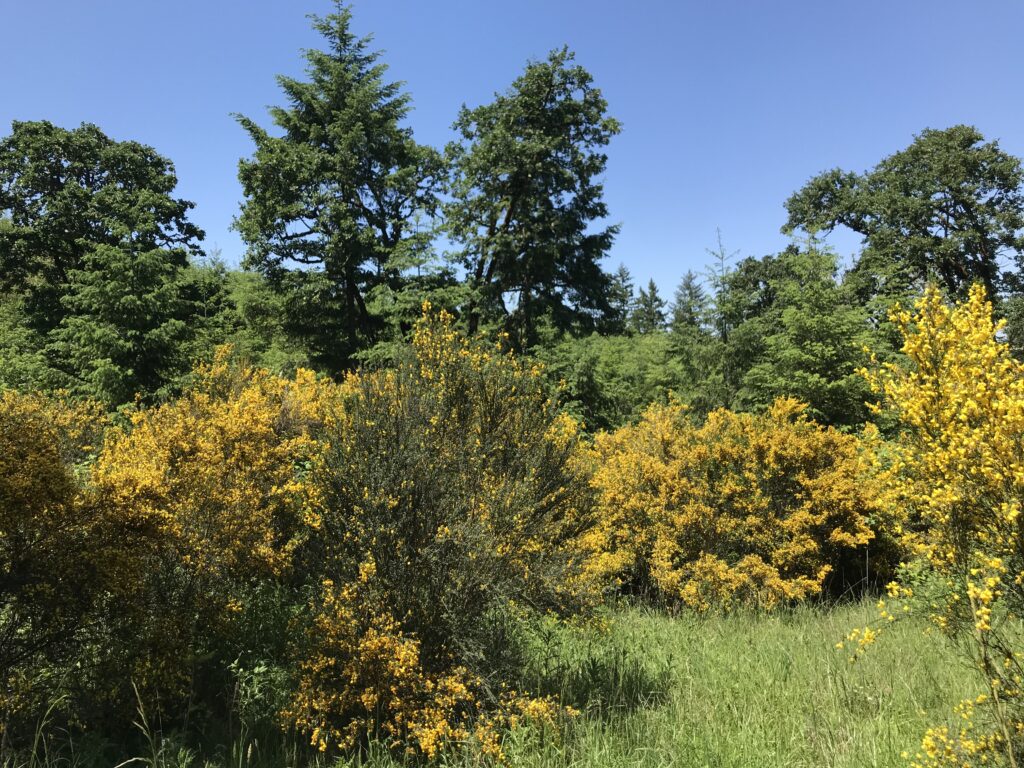
From an Oregon Land Specialist Who Started Cruising Timber With His Father at Age 12 I didn’t come to timberland through a real estate class — I came to it walking timber stands with my father starting at age 12, cruising timber, running property lines, and building logging roads before I ever had a real estate license. My grandfather served as Oregon’s State Forester in the 1930s and helped write the state’s reforestation bylaws. The state named Cronemiller Lake near Corvallis after him because the lake supplied water to the Douglas fir seedling nursery programme. I’m telling you this because timberland is a genuinely different asset than farmland or a building lot, and it deserves someone who understands both the forestry side and the real estate side — not just one or the other. Read more: How Long Does It Take to Sell Land in Oregon in 2026? Why Willamette Valley-fringe timberland is attracting buyers right now Timber and timberland sit at an interesting spot in 2026: lumber markets have been volatile with housing demand swings, supply-chain disruptions, and mill capacity constraints, while newer pressures — federal logging policy shifts, Canadian lumber tariffs, and wildfire risk — are reshaping how investors think about forestland. At the same time, timberland remains one of the few land asset classes that produces recurring income (through periodic harvest) while you hold it, which appeals to buyers looking for something between raw appreciation land and a working farm. Read more: Farm Deferral Back Taxes in Oregon: What You Owe When You Sell or Disqualify What Oregon timberland actually costs Research from Oregon State University’s Applied Economics group analysed nearly 3,800 western Oregon timberland transactions from 1999 through 2024. The research found that western Oregon timberland prices recovered from their 2012 recession low to roughly $12,000 to $13,000 per acre by 2017 and remained reasonably steady through 2024, after adjusting for inflation to 2024 dollars. The data also shows a meaningful regional difference. Northwest Oregon timberland averaged roughly $15,586 per acre, while Southwest Oregon timberland averaged about $10,573 per acre. The gap between the two regions has widened over the past five years. Where a specific Willamette Valley-adjacent parcel falls depends heavily on stand age, species mix, access, and harvest history, so treat these as market context, not a quote for your parcel. The three things that actually drive timberland value Stand age and species. A recently replanted stand is mostly land value plus future potential; a mature Douglas fir stand ready for harvest carries real standing timber value on top of the land itself. Mixed stands, hardwood pockets, and any old-growth remnants all shift the number differently. Access for equipment. This is the one buyers underestimate most. A gorgeous stand with no usable road access for logging trucks and equipment is worth dramatically less than the same stand with an established, maintained logging road system. This is exactly the kind of thing my surveying and timber background catches early, rather than after a buyer’s forester walks it and finds out. Tax status — Designated Forestland or Small Tract Forestland. A lot of Willamette Valley-area timberland is enrolled in Oregon’s special forestland assessment programs, which reduce ongoing property taxes significantly in exchange for maintaining qualifying forest use. This is a real financial benefit, but it comes with rules about disqualification and back taxes that both buyers and sellers need to understand before closing — I cover exactly how that back-tax math works in a separate article on Oregon farm and forest deferral back taxes. Read more: How to Sell Land Through Probate in Oregon: A Step-by-Step Guide What to check before buying timberland Get a professional timber cruise. This tells you actual standing volume and species mix — don’t rely on a seller’s estimate or an old cruise that may be a decade or more out of date. Confirm legal, maintained access for logging equipment, not just a walking trail. Check the forestland special assessment status and understand what obligations transfer with the property, and what disqualification would cost. Understand harvest restrictions tied to streams, wetlands, and riparian buffers under Oregon forest practice rules — these affect how much of the stand you can actually harvest and when. Verify boundaries against the recorded legal description. Timber parcels in particular often have boundary lines that were never formally surveyed to modern standards, especially on older family-held ground. Buying timberland as an investment vs. a personal-use parcel These are genuinely different purchases. An investor buying for eventual harvest income cares primarily about stand value, growth rate, and harvest timing. A buyer looking for a recreational or homestead parcel with timber on it cares more about buildability, road access for a home site, and long-term aesthetic value of the stand. Both are legitimate reasons to buy Willamette Valley-area timberland, but they should be priced, evaluated, and negotiated differently — and a lot of generalist listings don’t distinguish between the two at all. Where I work My timberland and land work covers Marion, Clackamas, Washington, Yamhill, Linn, Lane, Benton, Multnomah, Polk, Lincoln, Clatsop, and Deschutes counties, with a particular focus on Clackamas, Washington, and Polk. That range covers everything from Coast Range timber fringe to Cascade foothill parcels near the Willamette Valley floor. Recreational and homestead buyers: a different lens on the same parcel Not everyone buying timberland is thinking about board feet and harvest rotations. A lot of the timber-fringe parcels I sell around the Willamette Valley go to buyers who simply want privacy, a creek, a stand of mature Douglas fir around a future home site, and room to hunt or ride. For that buyer, the priorities flip: a gentle building envelope with good solar exposure matters more than merchantable timber volume, and a stand that’s aesthetically striking but commercially unremarkable can still be exactly the right parcel. I price and market these differently than an investment-grade timber tract, because comping a homestead parcel against pure timber-investment sales — or vice versa — leads to the wrong number both ways. Read more: Why You
Farm Deferral Back Taxes in Oregon: What You Owe When You Sell or Disqualify
From an Oregon Land Specialist Who Walks Sellers Through This Before It Becomes a Closing-Day Surprise If your Oregon land has been enrolled in a farm or forest special assessment program, you’ve likely been paying significantly reduced property taxes for years — sometimes decades. That’s a real benefit. But when land under that program sells, changes use, or otherwise stops qualifying, it can trigger a back-tax bill that catches sellers off guard if nobody explained it ahead of time. Here’s exactly how it works. Read more: How Long Does It Take to Sell Land in Oregon in 2026? What farm and forest special assessment actually is Oregon offers reduced property tax assessment for land in genuine farm use (through EFU zoning and farm-use special assessment) and for qualifying forestland (through Designated Forestland or the Small Tract Forestland program). Instead of taxing the land at its full real market value, Oregon assesses it based on what a buyer would pay for farm or timber production. This special assessment usually results in a tax value that represents only a fraction of what the land could command for other uses. In exchange, the landowner has to actually maintain the land in qualifying farm or forest use. What triggers disqualification Disqualification happens when the land stops meeting the program’s standards — most commonly: A sale itself doesn’t always automatically trigger disqualification — if the buyer continues qualifying use, in some cases the special assessment can continue. But if the buyer’s intended use doesn’t qualify, or the transaction otherwise triggers a review, disqualification and the associated back-tax bill can follow. Read more: How to Sell Farmland in Marion County, Oregon: The Complete Guide How the back-tax calculation actually works This is where it gets specific, and where I strongly encourage sellers to loop in the county assessor’s office and a CPA rather than estimate on their own. For Small Tract Forestland (STF) properties, disqualification back taxes are calculated in two parts: The difference between what you paid under STF versus what you would have paid under standard forestland special assessment, calculated for up to the prior 10 years. The difference between the forestland special assessment value and the full real market value, calculated for up to the prior 5 years. Those two figures are added together to determine the total additional tax owed. Standard farm-use special assessment and Designated Forestland disqualification follow a similar logic — recapturing some or all of the tax benefit received over a lookback period — though the specific mechanics and lookback periods can differ by program and county, so confirm the exact calculation for your parcel with the county assessor. Why this matters enormously for sellers This isn’t a small technicality. Depending on how long the land has been in the program and how large the gap between special-assessment value and real market value has grown, back taxes can run into the tens of thousands of dollars — sometimes more on larger or long-enrolled parcels. If you do not identify and price this into the sale before negotiations begin, it can reduce your net proceeds far more than expected. In some cases, it can even derail the deal late in escrow when the buyer’s attorney or title company flags the issue. Why this matters for buyers too If you’re buying land currently under farm or forest special assessment, you need to determine whether your intended use will keep the property qualified or whether your purchase could trigger disqualification and a back tax bill. Depending on how you structure the transaction, you may become responsible for that bill instead of the seller. Address this due diligence issue in the purchase agreement rather than assuming the seller will handle it. Read more: Stepped-Up Basis on Inherited Oregon Property: How It Lowers Your Tax Bill How to get ahead of this before you sell Contact your county assessor’s office early and ask specifically what program your land is enrolled in and what disqualification would cost as of today. Get the back-tax number in writing before you set your listing price, so it doesn’t come as a surprise deduction from your net proceeds later. Disclose the farm deferral status clearly in the listing. Give buyers the actual numbers upfront so they understand the costs before they reach the due diligence stage. Talk to a CPA about how back taxes interact with your capital gains picture. These are related but separate calculations, and understanding both together gives you your real, final net number. Consider whether the buyer’s intended use will keep the land qualifying — this can sometimes avoid triggering disqualification altogether, which is worth exploring with your agent and the assessor’s office before assuming the worst-case scenario applies. This is exactly why I map this out before we talk about listing price I’ve seen sellers get blindsided by back tax bills they never expected, and they could have avoided the problem. Before I suggest a listing price for land under farm or forest special assessment, I confirm the disqualification calculation with the county assessor. That way, we start with your actual net number, rather than discovering a painful deduction three weeks into escrow. Read more: How to Sell Land Through Probate in Oregon: A Step-by-Step Guide A real-world way this plays out Picture a family that has owned 60 acres of Willamette Valley farmland under special assessment for 25 years. Now, an out of area buyer wants to purchase the property solely as a future home site and has no plans to farm it. If the sale disqualifies the land, the county may calculate back taxes for several years, creating a substantial bill. Sellers can plan for that cost much more easily when they know about it before accepting an offer rather than discovering it as a deduction from their proceeds at closing. In a case like this, I’ll often get the assessor’s back-tax estimate in hand before we ever set an asking price, so the number we’re negotiating against is the real, after-tax number from day one.
How Long Does It Take to Sell Land in Oregon in 2026?
A Straight Answer From a Land Specialist Who’s Sold Oregon Land for 20+ Years This is one of the most common questions I get, and it deserves a more honest answer than the generic ones you’ll find on national land-buying websites. The short version: bare land, farmland, and timberland in Oregon almost always take longer to sell than a house does — often meaningfully longer — and the actual timeline depends on a handful of specific factors that are worth understanding before you list. Read more: How to Sell Farmland in Marion County, Oregon: The Complete Guide Why land takes longer to sell than a house, generally A typical Oregon home sale closes in a matter of weeks once listed, because the buyer pool is enormous and most buyers can evaluate a house — is it the right size, the right location, the right price — in a single showing. Land is a much smaller buyer pool by definition, and it requires buyers to do real homework before they can even make an informed offer: zoning, access, water rights, buildability, soil quality, and sometimes a timber cruise. That due diligence naturally slows the pace, even for a well-priced, well-marketed parcel. What actually drives how fast — or slow — your specific parcel sells Price accuracy relative to true land comps. This is the single biggest lever. Land priced using real, current land comparables — not home-sale logic or a generic statewide per-acre average — sells meaningfully faster than land that’s guessing. Buildability clarity. Parcels where buyers can get a clear, documented answer on septic feasibility, legal access, and zoning move faster than parcels where those questions are left open. Buyers move on quickly when they can’t get answers. Zoning and use restrictions. EFU-zoned farmland, land under farm or forest deferral, and land inside or near an Urban Growth Boundary all attract different buyer pools and sell at different paces. A generalist listing that doesn’t clearly explain the zoning to the right buyer type will sit. Marketing that actually reaches land buyers. A listing built for home buyers — one photo, vague description, general MLS distribution — reaches almost none of the specific buyer types (timber investors, hobby farmers, 1031 exchange buyers, builders) who’d actually want a given parcel. Title and boundary clarity. Unresolved boundary questions, old mineral reservations, or unclear easements can stall a parcel in escrow even after the buyer accepts an offer. These issues can add weeks or months to the actual selling timeline, even when the property’s “days on market” figure looks good. Read more: Why Your Oregon Bare Land Isn’t Selling (And What to Do About It) Cash buyers vs. traditional listings — a real tradeoff Companies that buy Oregon land for cash typically advertise turnaround measured in days rather than months — often reviewing an offer within a couple of business days. That speed is real, but it comes at a real cost: cash land-buying companies generally pay well below market value, because speed and certainty are the product they’re selling, not top dollar. A properly marketed traditional listing, priced correctly with real land comps and reaching the right buyer pool, takes longer but is very likely to net you significantly more money. Which one is “worth it” depends entirely on how much you value speed versus total proceeds — there’s no universally right answer, but you should make that choice knowingly, not by default. How timeline differs by land type Not all Oregon land moves at the same pace, and it helps to set expectations by category rather than treating “land” as one bucket: Knowing which category your parcel falls into helps set a realistic expectation from day one, instead of anchoring on how fast a neighbor’s house sold. Read more: Capital Gains Tax on Oregon Land Sales: What You’ll Actually Owe in 2026 What “not selling” usually actually means If your land has been on the market far longer than expected and still hasn’t sold, the property itself is rarely the problem. In my experience, four issues usually cause the delay: you priced it incorrectly compared with recent comps, you left buildability or zoning questions unanswered, your marketing failed to reach the right buyers, or a title or boundary issue discouraged serious buyers. I go through this in detail in a separate article specifically about why Oregon bare land sometimes doesn’t sell and what actually fixes it. How to set a realistic timeline for your parcel Before you list, ask whoever you’re working with to walk you through: What comparable Oregon land — not homes — has actually sold for recently, in your specific area and zoning category. Whether buildability, access, and zoning questions can be answered clearly up front, or whether they’ll need to be resolved during the process. Whether the land carries any farm or forest deferral status that needs to be addressed or disclosed. How the property will actually be marketed to reach the specific buyer type most likely to want it. A specialist who’s honest with you about these factors upfront will give you a far more realistic timeline than a generic “average days on market” number pulled from a national land website that’s blending every property type in every state. Read more: Stepped-Up Basis on Inherited Oregon Property: How It Lowers Your Tax Bill Frequently asked questions What’s a realistic timeline for well-priced, well-marketed Oregon land? It varies significantly by land type, zoning, and location, but expect it to take longer than a comparable home sale in the same area — often measured in months rather than weeks, even when everything is done right. Will a lower price always sell land faster? Not necessarily, and not always in your favor. If buyers can’t get clear answers on buildability or zoning, dropping the price often just attracts more low-quality offers rather than solving the real problem. Does farm or forest deferral status slow down a sale? It can, if it isn’t addressed clearly up front, because it introduces a tax question buyers and
How to Sell Farmland in Marion County, Oregon: The Complete Guide
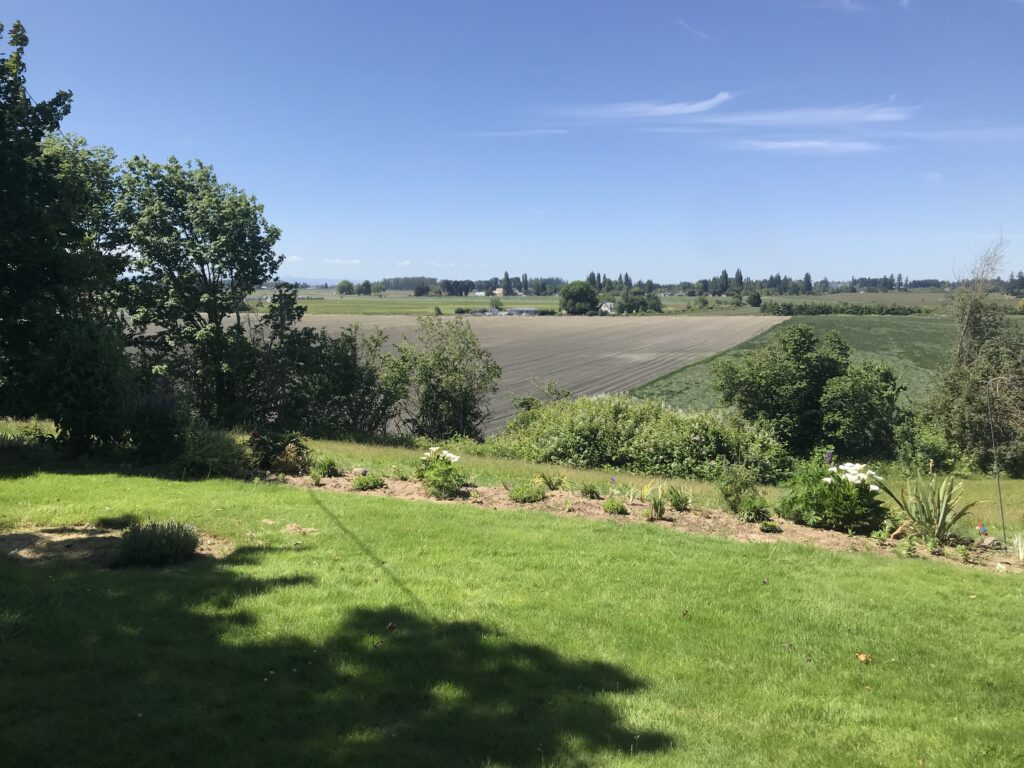
From a Land Specialist Who Works Marion County Farmland Every Week Marion County sits at the heart of the Willamette Valley — Salem, Woodburn, Silverton, Stayton, Mount Angel, Gervais, and the farmland surrounding them make up some of the most productive agricultural ground in Oregon. If you own farmland here and you’re thinking about selling — whether it’s a working farm, EFU acreage you’ve leased out, or land you inherited — here’s what actually matters to get it sold at the right price. Read more: Why You Need a Land Specialist in Salem, Oregon (Not Just Any Realtor) Start with what kind of farmland you actually have Marion County farmland isn’t one product. Before you can price or market it correctly, you need clarity on: Pricing Marion County farmland correctly The single most common mistake I see is pricing farmland the way you’d price a house — using a rough per-acre number pulled from a general land website instead of true local comparables. Marion County farmland values vary significantly by soil class, water access, and proximity to Salem and I-5, and they don’t move in lockstep with residential home prices. A proper valuation looks at recent actual farmland sales in the immediate area — not statewide averages, which blend everything from desert range ground to premium valley soil and understate what quality Marion County ground is really worth. Read more: How to Sell Land Through Probate in Oregon: A Step-by-Step Guide Get ahead of farm deferral before you list If your land has been under Oregon’s farm-use special assessment, selling it — especially to a buyer who won’t keep it in qualifying farm use — can trigger a significant back-tax bill. I’ve written a full breakdown of exactly how that calculation works in a separate article on farm deferral back taxes in Oregon. The key point for Marion County sellers: figure this out before you list, disclose it clearly, and structure the sale (or the buyer conversation) around it, rather than letting a buyer’s attorney discover it during escrow and use it to renegotiate your price. Understand your tax picture before you set an asking price Beyond farm deferral, a farmland sale in Marion County typically triggers capital gains tax, and the calculation depends heavily on how you acquired the property. If you inherited the farm, stepped-up basis can substantially reduce what you owe — I cover that in a separate article on inherited Oregon property. If you’re holding for investment purposes, a 1031 exchange may let you defer the gain entirely into replacement property. I map this out with every seller before we talk about a listing price, because your real number is what lands in your account after taxes, not the gross sale price. Read more: Stepped-Up Basis on Inherited Oregon Property: How It Lowers Your Tax Bill Who actually buys Marion County farmland Buyers generally fall into a few groups, and understanding which one fits your parcel changes how you market it: A generic listing reaches none of these buyer types particularly well. The marketing, photos, and information disclosed need to match who’s actually likely to buy this specific parcel. What to have ready before you list A current, accurate legal description and confirmed boundary — Marion County farmland that’s been in a family for decades sometimes has fence lines that don’t match the recorded description. Documentation of water rights, if any. Farm deferral status and a clear understanding of what disqualification would cost. Recent farm income or lease records, if the land has been actively farmed or leased. A realistic sense of your after-tax number, so you know what offers are actually worth accepting. Read more: Capital Gains Tax on Oregon Land Sales: What You’ll Actually Owe in 2026 Why local, land-specific representation matters here Marion County has enough farmland transaction volume that a specialist genuinely gets to see comparable sales other agents never encounter — and enough EFU-zoned acreage that understanding the zoning rules cold, rather than looking them up mid-transaction, makes a real difference in how smoothly a sale closes. I work Marion County farmland regularly alongside Clackamas, Washington, Polk, Yamhill, Linn, and Benton counties, so I’m not learning the local comps for the first time on your listing. The towns and pockets I see the most activity in Within Marion County, I see consistent buyer interest around Salem, Woodburn, Silverton, Mount Angel, Gervais, and Stayton, along with the farmland corridors along Highway 99E and 214. Each of these areas has its own character — Woodburn and Gervais lean toward row crop and nursery ground, the Silverton and Mount Angel foothills mix farmland with more rural residential interest, and land closer to Salem itself often draws buyers weighing farm use against future development potential near the Urban Growth Boundary. Knowing which of these dynamics applies to your specific parcel changes both the price and who we market it to. Frequently asked questions Do I need a buyer who’s actually going to farm the land? Not necessarily — but if your land is currently receiving farm deferral tax treatment, whether the buyer keeps it in qualifying farm use affects whether back taxes get triggered at the sale. This is worth mapping out before you accept an offer. How is Marion County farmland different from farmland elsewhere in the Willamette Valley? The fundamentals are similar across the valley, but local factors — proximity to Salem, I-5 access, specific soil pockets, and local zoning history — mean Marion County comps should come from Marion County sales, not the valley as a whole. Should I get a survey before listing? If there’s any uncertainty about the boundary — very common on land held by the same family for generations — yes. It’s far better to resolve a boundary question before a buyer’s title company flags it during escrow. What if multiple family members inherited the farm together? This is common, and it works best with one point of contact coordinating price, timing, and buyer communication for the
Why You Need a Land Specialist in Salem, Oregon (Not Just Any Realtor)
20+ Years Focused Specifically on Oregon Bare Land, Farmland, and Timberland There’s a real difference between a Realtor who occasionally sells a piece of land and a land specialist who has spent two decades doing nothing else. If you’re trying to buy or sell bare land, farmland, or timberland in the Salem, Oregon area, that difference shows up in almost every part of the transaction — pricing, marketing, negotiation, and the due diligence that keeps a deal from falling apart three weeks before closing. Read more: How to Sell Land Through Probate in Oregon: A Step-by-Step Guide What a “land specialist” designation actually means Land Specialist isn’t a marketing phrase I made up — it’s a professional designation that reflects specific training and experience in land transactions, distinct from general residential real estate. I hold both the Land Specialist and Multi-Family Specialist designations, and I’ve spent more than 20 years focused specifically on Oregon bare land, EFU farmland, timberland, and investment property — not homes, not condos, land. Why a generalist agent struggles with land transactions A residential agent who mostly sells houses is used to a fairly standardized transaction: comparable sales are easy to pull, inspections follow a predictable checklist, and buyers largely know what they’re evaluating. Land breaks almost all of those assumptions: None of this means a generalist agent can’t sell land — it means they’re often learning it in real time, on your transaction, with your money on the line. Read more: Stepped-Up Basis on Inherited Oregon Property: How It Lowers Your Tax Bill What my background actually brings to a land deal I grew up in a land surveying family, starting timber work with my father at age 12 — cruising timber, running property lines, building logging roads. My grandfather was Oregon’s State Forester in the 1930s and helped write the state’s reforestation bylaws. I spent five years in the City of Salem survey department and 30 years as a licensed general contractor running my own construction and remodeling company, which means I look at buildability, access, and site conditions the way someone who’s actually built on land does — not just someone describing it from a listing sheet. I also spent years as a commercial property buyer for institutional hedge fund clients, building 135 direct relationships with bank presidents, special asset managers, CFOs, and board members — relationships built on genuine trust, not cold scripts. Where I actually work My focus covers 12 counties: Marion, Clackamas, Washington, Yamhill, Linn, Lane, Benton, Multnomah, Polk, Lincoln, Clatsop, and Deschutes — with Clackamas, Washington, and Polk seeing a bit more of my attention, though that shifts with where the deals are. Key towns across that footprint include Salem, Portland, Newberg, Woodburn, Canby, Dallas, Monmouth, Corvallis, Albany, Eugene, and Molalla. If you own or want to buy land anywhere in that region — whether it’s EFU farmland, timber ground, or a bare residential-zoned parcel — this is the ground I know. Read more: Capital Gains Tax on Oregon Land Sales: What You’ll Actually Owe in 2026 How I actually work with sellers Almost every listing I take starts with a phone call, not a formal listing presentation. I find that a genuine conversation — where I can ask real questions and give straight answers — builds more trust and moves faster than a slide deck ever could. That’s true whether we’re talking about a family farm that’s been in the same hands for three generations, or a straightforward bare land sale. How I actually work with buyers Land buyers usually fall into a handful of categories — hobby farmers, timber investors, builders, hunters, and 1031 exchange buyers moving proceeds from another sale. Each of those buyers cares about different things, and I tailor the search and the due diligence to what actually matters for that buyer’s goal, rather than running everyone through the same generic checklist. A quick story that sums up why this work matters to me One of my favorite clients was someone from California who sold 171 acres of Oregon land for $2 million and 1031-exchanged the proceeds into 8 rental units in Portland — moving from about $28,000 a year in income to $215,000 a year. That’s not just a good sale; it’s a life-changing shift in financial position, built on understanding both the land side and the exchange strategy at the same time. That’s the kind of outcome I want for every client, whether the transaction is $200,000 or $4 million — my largest deal to date was a $4M 1031 exchange. Read more: Why Your Oregon Bare Land Isn’t Selling (And What to Do About It) What working together actually looks like, step by step A typical land engagement with me starts with a phone conversation, not paperwork — I want to hear what you’re trying to accomplish before I talk about price or process. From there, for a seller, I walk the property myself, pull real comparable land sales (not home sales), and flag anything — zoning, farm deferral status, access, boundary questions — that needs to be resolved or disclosed before we go to market. For a buyer, I take the time to understand what the land actually needs to do for you — build a home, run cattle, grow hazelnuts, harvest timber, complete a 1031 exchange — because that changes which parcels and which due diligence items actually matter. Either way, you get direct access to me, not a rotating team of assistants, from the first call through closing. Frequently asked questions What’s the difference between a Land Specialist and a regular real estate agent in Oregon? Both hold an Oregon real estate license, but a Land Specialist designation reflects additional focus and experience specifically in land transactions — zoning, agricultural and forest use, water rights, and land-specific valuation — rather than general residential sales. Do you only work with sellers, or buyers too? Both. A large part of finding the right land for a buyer is knowing
How to Sell Land Through Probate in Oregon: A Step-by-Step Guide

From an Oregon Land Specialist Who Works Directly With Executors, Heirs, and Estate Attorneys Selling land through probate is one of the more stressful real estate situations there is — you’re usually grieving, dealing with a court process you’ve never navigated before, sometimes coordinating with siblings or other heirs who don’t all agree, and trying to figure out what the land is even worth. Here’s a clear walkthrough of how an Oregon probate land sale actually works, so you at least know what to expect. Read more: Stepped-Up Basis on Inherited Oregon Property: How It Lowers Your Tax Bill First: do you need formal probate at all? Not every Oregon estate requires the full probate process. Oregon offers a simplified affidavit procedure for smaller estates — generally those valued under roughly $275,000, with additional limits on how much of that can be real property. If the estate qualifies, this route is dramatically faster and cheaper than formal probate. This is worth checking with an estate attorney before assuming you’re in for the long process, because a lot of families default into formal probate without confirming they actually need it. The formal probate timeline If the estate does require formal probate, plan for it to take four months or more from start to finish — often longer when real property is involved, multiple heirs need to be notified, or there are any disputes. For comparison, a typical Oregon home sale outside of probate closes in a matter of weeks; probate roughly quadruples that timeline at minimum, and land sales inside probate follow the same extended court-driven process as home sales do. Read more: Capital Gains Tax on Oregon Land Sales: What You’ll Actually Owe in 2026 The step-by-step process Step 1: Appoint a Personal Representative This is the person with legal authority to act on behalf of the estate, including selling real property. Nothing moves until this appointment is finalized. Step 2: Appraise the Oregon Property The court typically requires a formal appraisal to establish the property’s value as part of the estate. This appraisal also matters for the stepped-up basis calculation heirs will need later — I cover that connection in a separate article on stepped-up basis for inherited Oregon property. Step 3: Hire a Land Specialist and List the Property This is where working with someone who specifically understands both land and the probate process pays off — land valuation (especially for farmland, timberland, or bare acreage) is a different skill set than pricing a house, and probate sales carry extra procedural requirements a generalist agent may not be used to. Step 4: Review and Accept Buyer Offers This is notably higher than the deposit on a typical residential purchase, and it signals that offers on probate property are expected to be serious. Step 5: Obtain Court Approval Even after you’ve accepted an offer, it isn’t final — the court has to approve it. Step 6: Attend the Probate Confirmation Hearing This is the part that surprises most people: at the hearing, other potential buyers can actually show up and outbid the accepted offer in an open auction format, right there in the courtroom. The original buyer typically has a chance to match or beat any overbid. Step 7: Complete the Sale and Closing Probate sales are sold as-is, with no repair contingencies, and the estate generally cannot fund repairs before closing. Read more: Why Your Oregon Bare Land Isn’t Selling (And What to Do About It) Costs specific to probate sales Beyond normal closing costs, sellers in a probate sale typically also cover probate-specific expenses — executor fees, court filing fees, appraisal costs, and sometimes a probate bond. Altogether, these additional costs average around 2.4% of the purchase price on top of standard closing costs, according to industry data on Oregon probate sales. Factor this into what the estate will actually net. Read more: Willamette Valley Farmland For Sale: What Buyers Need to Know Before You Buy in 2026 Why land makes probate sales even more complicated A house is a house — most buyers can evaluate it quickly. Farmland and timberland inside probate add extra layers: EFU zoning restrictions on who can even buy or use the land a certain way, farm deferral tax status that may need to be addressed at or before closing, water rights that need to be confirmed and disclosed, and sometimes boundary or access issues that have never been resolved because the land sat in the same family for generations without a survey. Every one of these needs to be sorted out before the court confirmation hearing, not discovered during it. What multiple heirs need to know When land passes to several heirs jointly through probate, everyone with an ownership interest generally needs to be kept informed and, in many cases, consent to the sale terms. I’ve found the estates that move through this smoothly are the ones where one person — often the personal representative — coordinates all communication with a single land specialist, rather than each heir fielding separate conversations. It keeps the process moving and avoids the confusion that stalls a lot of probate sales for months. How to make this go faster, not slower Working alongside your estate attorney, not around them I want to be clear about my role in a probate sale: I handle the land — valuation, marketing, buyer qualification, and coordinating the offer and confirmation process — while your estate attorney handles the legal administration of the estate itself. The two need to move in sync, especially around the appraisal and the confirmation hearing timeline. In every probate sale I’ve worked, the smoothest ones had the real estate side and the legal side talking to each other directly and early, rather than the personal representative relaying messages back and forth between two professionals who’d never spoken. Read more: How Do I Sell Timberland in Oregon? (What Buyers Want and How to Maximize Your Return) Frequently asked questions Do all heirs have to agree to sell
Stepped-Up Basis on Inherited Oregon Property: How It Lowers Your Tax Bill
From an Oregon Land Specialist Who Has Guided Multiple Heirs Through Selling Inherited Oregon Acreage If you inherited Oregon land, such as a family farm, timber ground, or acreage passed down for a generation or more, one of the most valuable things you can understand before selling is the stepped up basis. It’s the single biggest reason heirs often owe far less capital gains tax than they assume when they sell inherited property, and a lot of people list their land without ever finding out how much it actually helps them. Read more: Capital Gains Tax on Oregon Land Sales: What You’ll Actually Owe in 2026 What “basis” means, and why it matters Your basis in a property represents what the IRS considers your cost in it. You use this amount to calculate your taxable gain when you sell the property. If you bought land for $100,000 and sold it for $400,000, your gain is roughly $300,000, and that’s what capital gains tax applies to. Basis is the foundation the whole tax calculation sits on. Why inherited land gets a different basis than purchased land When you inherit property instead of buying it, the tax code generally lets your basis “step up” to the property’s fair market value on the date the person you inherited it from passed away — not what they originally paid for it decades earlier. This matters enormously for Oregon land, because a huge amount of Oregon farmland and timberland has been in families for 40, 50, even 100+ years, often purchased for a tiny fraction of today’s value. A simplified example: Say your grandfather bought 80 acres of Willamette Valley farmland in 1975 for $20,000. If he still owned it when he passed and you inherited it, your basis isn’t $20,000 — it’s roughly what that land was worth on his date of death, which today might be $600,000 or more. If you sell it for $650,000, you calculate your taxable gain using the stepped up $600,000 basis rather than the original $20,000 basis. You would owe capital gains tax on roughly $50,000 of gain instead of $630,000. This difference can turn a potentially devastating tax bill into a much more manageable one. Read more: Why Your Oregon Bare Land Isn’t Selling (And What to Do About It) This is why the “just sell it, taxes will eat it anyway” assumption is often wrong I regularly talk to heirs who assume that selling inherited land will trigger a massive tax bill because the property has appreciated so much since the original purchase. They often feel genuinely surprised when they learn how much stepped up basis can protect them. This doesn’t mean there’s zero tax; appreciation since the date of death is still taxable gain. But it usually means the number is far smaller than people fear, and that fear alone shouldn’t drive a rushed decision to sell below value or accept a lowball cash offer just to “get it over with.” How to actually establish your stepped-up basis This is the part that trips people up, because it requires documentation, not guesswork: Get a date of death appraisal, or obtain a retrospective appraisal if you did not get one at the time. This document establishes your new basis. Without it, you may have a much weaker position with the IRS if it questions your return. Check whether the estate went through probate, and if so, whether an appraisal was already filed as part of that process — it may already exist in the court file. Document any capital improvements made to the property since you inherited it (a new well, road work, structures), since those add to your basis going forward. Confirm how the property was titled — jointly owned property, property in a trust, and property owned solely by the decedent can each be treated differently for basis purposes. How this connects to selling through probate If the land is still working its way through the probate process rather than already being in your name, the sale and the basis question often move together. I’ve written a separate, detailed article on how the Oregon probate sale process actually works, timeline and all, if that’s where you’re at. Read more: Willamette Valley Farmland For Sale: What Buyers Need to Know Before You Buy in 2026 What if multiple heirs inherited the land together? This is extremely common with Oregon farmland and timberland — three, four, sometimes eight or more siblings and cousins inheriting a share of the same parcel. Each heir generally gets their own proportional stepped-up basis, but decision-making gets complicated fast when that many people need to agree on price, timing, and whether to sell at all versus keep it in the family. In my experience, the parcels that sit unsold longest — and the ones that generate the most family friction — are almost always the ones with multiple heirs and no single point person coordinating the sale. Having one specialist manage communication, valuation, and offers for the whole group tends to be the difference between a smooth close and a year of stalled phone calls. What to do if you’re not ready to sell yet Understanding your stepped-up basis matters even if you’re not planning to sell right away. If you decide to keep the land for now, document everything — the date-of-death appraisal, any improvements, and how the property is titled — while the information is still easy to gather. I regularly hear from heirs years later trying to reconstruct records that would have taken one phone call to get right at the time. Getting this documentation in order early also means that whenever you do decide to sell, whether that’s next year or in twenty years, you’re not scrambling to prove your basis under time pressure. Read more: What Is Oregon’s Urban Growth Boundary? How It Affects Your Land Value Don’t skip the CPA conversation I want to be direct about this: I’m a land specialist, not a tax professional, and