
Can I Sell EFU Land in Oregon? What the Zoning Actually Allows
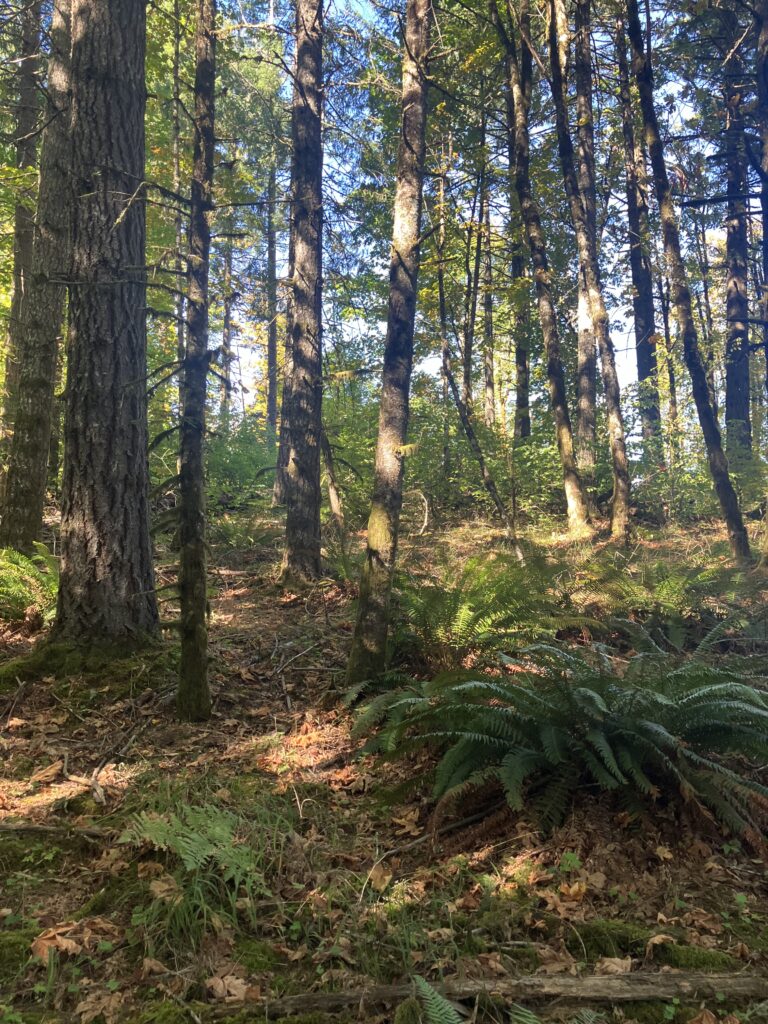
From a 30-Year Licensed General Contractor Who Has Spent 20+ Years Working Oregon’s EFU Land Yes, you can sell Exclusive Farm Use land in Oregon — there’s no rule against transferring ownership of EFU-zoned property. The real question underneath “can I sell EFU land” is almost always something more specific: who can buy it, what can they do with it once they own it, and will the zoning or a farm deferral status complicate the sale. Those are the questions worth real answers. I’ve spent 30 years as a licensed general contractor and more than 20 years selling Oregon bare land, EFU farmland, and timberland, and EFU sales make up a large share of what I handle. The mechanics are different enough from a standard land sale that they deserve their own honest walkthrough. Visit my YouTube channel EFU land can be sold to almost anyone — the restriction is on use, not ownership Oregon’s Exclusive Farm Use zoning restricts what can be built and done on the land, not who is legally allowed to purchase it. A buyer with no farming background can absolutely buy EFU land. The dwelling question shapes almost every EFU sale This is the detail that catches buyers off guard most often, and it directly affects your pool of buyers as a seller. Building a primary farm dwelling generally requires showing the parcel meets a county-specific income or farm-history test, and that test varies by soil productivity class and by county. Some EFU parcels clear this easily. Others — smaller, lower-productivity, with no farm history — may not clear it at all without additional steps like a non-farm dwelling application, which requires conditional use approval and its own, harder test. Read more: Why Isn’t My Land Selling in Oregon? A Diagnostic Checklist What this means for your buyer pool as a seller Because of the dwelling restrictions, EFU land tends to draw a narrower, more specific buyer type than bare residential-zoned acreage: active farmers expanding their operation, hobby farmers who understand they may not get to build right away, timber or ag investors, and 1031 exchange buyers specifically looking for qualifying farm real estate. Marketing EFU land to a general “build your dream home” audience usually wastes time, because that buyer will discover the dwelling restriction during due diligence and walk. Minimum parcel size affects whether you can divide before selling EFU zones typically carry large minimum lot sizes for new divisions — often in the range of 80 acres in many Willamette Valley counties, though the exact minimum and its exceptions vary by county. Check your county’s development code before splitting a large EFU parcel for sale. Many counties restrict these divisions, so you may not be able to split the land as planned. Farm or forest deferral status needs its own conversation A large share of EFU land carries farm-use special assessment, which reduces property taxes in exchange for maintaining qualifying farm use. Selling land under this status doesn’t automatically trigger disqualification, but if the buyer’s intended use doesn’t continue to qualify, back taxes can become due. Read more: How Long Does It Take to Sell Bare Land in Oregon Right Now? What actually sells well on EFU land Productive farmland with a proven income history, irrigation, outbuildings, fencing, and a legal dwelling often sells faster. These features attract buyers who want to operate a farm. Raw EFU acreage with no farm history and no realistic path to a dwelling is a real sale, but it typically takes a buyer who understands and accepts those limits going in — which makes honest disclosure in the marketing more important, not less. Getting the county’s actual answer before you list Oregon counties interpret and enforce EFU rules differently. The same property may receive different answers from different planning departments. Before I price or market EFU land, I check with the county to confirm three things: whether the parcel qualifies for a dwelling, its soil productivity class, and any past conditional use approvals. These checks show how the county applies the rules to the property. What happens if the parcel doesn’t qualify for a dwelling at all Not every EFU parcel clears the farm income or soil-class test for a dwelling, and that’s not automatically a dealbreaker — it just narrows and redefines the realistic buyer pool. A parcel with no dwelling path still has real value to an active farmer who already has a home on an adjacent property, to an investor buying purely for agricultural income or appreciation, or to a buyer assembling acreage for a future farm operation who doesn’t need a house on this specific tax lot right now. The mistake is marketing a non-dwelling-qualified EFU parcel to a buyer who’s hoping to eventually build on it — that buyer will discover the restriction during due diligence, and the resulting withdrawal costs real time. Stating the dwelling status plainly in the listing, rather than letting a hopeful buyer assume otherwise, is what actually protects the timeline. Read more: How to Sell Bare Land in Oregon: The Complete Process, Step by Step How an existing lawful dwelling changes the entire sale If the parcel already has a lawful, documented dwelling on it, the sale looks considerably different and generally reaches a wider buyer pool, because the buyer isn’t gambling on a future approval — they’re getting a working farm with a house already in place. Confirming that the existing dwelling is actually legal, and not simply present, matters here: a structure built without the right permits or approvals can create its own complications at financing or closing, separate from anything related to the land’s EFU status itself. Five things to confirm before you list EFU land for sale Why this needs specialist handling, not a generalist listing Most residential agents lack experience with EFU land. You need to understand Oregon’s zoning rules, how the county applies them, and which buyers fit the property. Confirm these details before listing the land, not during
Why Isn’t My Land Selling in Oregon? A Diagnostic Checklist
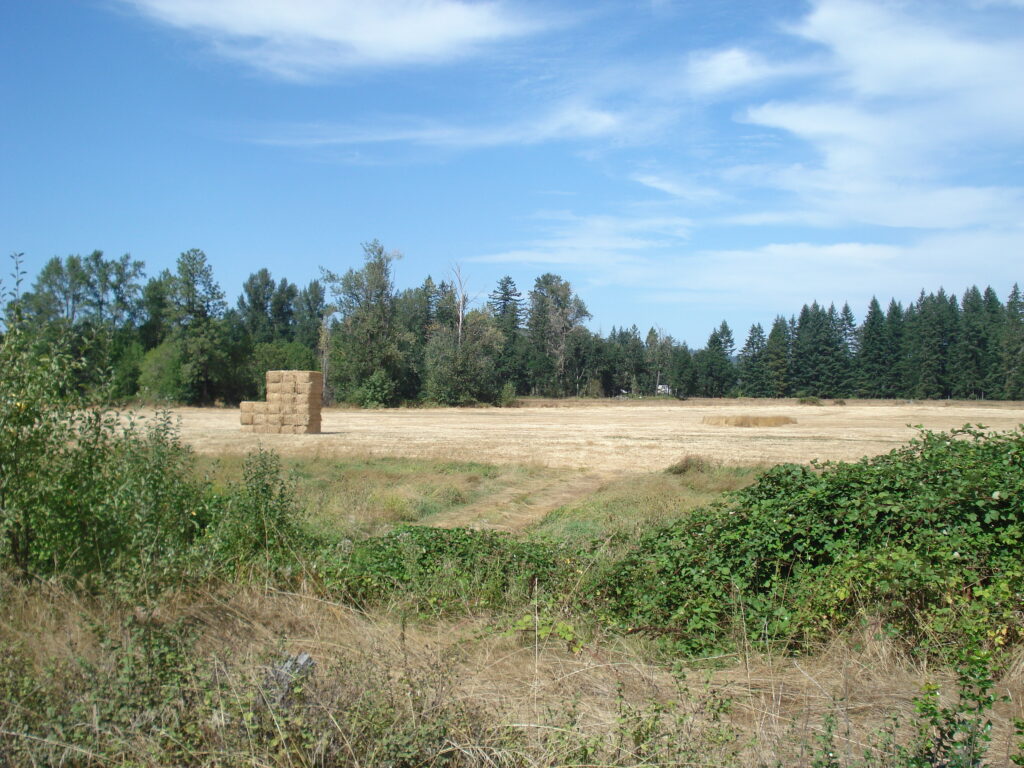
From a Land Specialist Who’s Walked Hundreds of Stale Oregon Listings and Found the Same Handful of Causes If your Oregon land has been sitting on the market for months with plenty of showings or inquiries but no real offers, you’re not imagining that something’s off — but the land itself is almost never the actual problem. I want to walk you through this the way I actually do it with a seller: as a diagnostic, one question at a time, instead of a generic list of possibilities. I’ve spent more than 20 years selling Oregon bare land, EFU farmland, and timberland, and I’ve been called in on more stale listings than I can count. The causes repeat often enough that I can usually tell what’s wrong within the first conversation. Visit my YouTube channel Question 1: Is the price actually based on land comparables? This is where I start every single time. Land pricing depends on zoning, soil class, water rights, access, and buildability — factors a home appraisal doesn’t touch and a generic per-acre average from a national website doesn’t capture. If your price came from a quick online estimate or from comparing to a neighbor’s unrelated parcel, that’s very likely contributing to why serious buyers are passing. Get the Latest Salem Market Insights Question 2: Can a buyer get a clear answer on buildability? Serious land buyers want to know, before they make an offer, whether they can actually build — which means a septic feasibility answer, confirmed legal access, and clear zoning. If your listing leaves these as open questions, buyers who are seriously evaluating the parcel simply move on to one that answers them, and you may never even hear from them to know that’s what happened. Question 3: Does the marketing actually look like it was built for land? A single photo of an open field and a description that says “great potential” gives a buyer nothing to act on. Land that sells has an aerial or drone shot showing the real boundary and terrain, a clear statement of zoning and water rights, and distribution to actual land-buyer channels — not just the general residential MLS feed most agents default to for every listing regardless of property type. Read more: How Do You Get Water, Power, and Septic on Bare Land in Oregon? Question 4: Is there a farm or forest deferral situation nobody explained? If your land has been under Oregon’s farm-use special assessment, that’s genuinely valuable, but it can also quietly scare off a buyer who doesn’t understand it, or blindside them with a back-tax question during due diligence. Getting ahead of this in the listing — explaining clearly what it means for a buyer — keeps it from becoming a reason offers stall or disappear. Question 5: Is a title or boundary issue sitting quietly in the background? Rural Oregon land can have old mineral rights, unreleased easements, or boundary disputes. A fence may not match the legal property lines. These issues rarely kill a deal when you find them early. But if the buyer’s title company discovers them weeks into escrow, the deal can fall apart. Read more: Is Bare Land a Good Investment in Oregon? Question 6: Has this parcel actually reached the right buyer type? Land buyers are a niche audience split into very different groups — builders, hobby farmers, timber investors, 1031 exchange buyers, hunters. Each cares about different things, and a generalist listing approach reaches almost none of them well. If your marketing has only gone to the standard residential buyer pool, you may simply never have reached the specific buyer who actually wants this parcel. Question 7: Is the listing priced for the market that exists today, or the one from a year ago? A price that was reasonable when the parcel first went up can quietly become stale as months pass and comparable sales shift around it. I often see land listings stay on the market too long. The original price may have made sense, but the agent never updated it after nearby properties sold. A stale price doesn’t announce itself; it just slowly turns “slightly ambitious” into “clearly off,” and buyers who are actually doing their homework on comparables will notice well before the seller does. Question 8: Has anyone actually asked buyers who looked and passed why they passed? This is the step sellers skip most often, and it’s often the fastest way to the real answer. If an agent has shown the parcel to interested buyers who ultimately didn’t make an offer, going back to ask what specifically stopped them — a buildability question, a price concern, a title issue they heard about — turns secondhand guessing into direct information. Most agents don’t make this call because it can feel uncomfortable. It’s usually the single most useful phone call available. Read more: Polk & Marion County Real Estate Market Report — What July 2026’s Numbers Actually Mean for You Putting it together: the order I actually work through with a seller What a genuinely unsellable parcel actually looks like Some parcels are genuinely hard to sell. For example, they may have no legal access, strict zoning limits, or wetlands that cover most of the buildable area. These cases are rare. Most struggling land listings have fixable problems with pricing, disclosures, or marketing. Why pulling a listing and relisting rarely fixes anything on its own I see this often: a seller pulls a stale listing, waits a few months, and relists at the same price with the same gaps. The clock resets, but the underlying problem — usually pricing, buildability disclosure, or reaching the wrong buyer pool — comes right back with it. Diagnosing the actual cause before relisting saves months of repeating the same outcome. A story that illustrates this well I once took over a listing that had sat for the better part of a year with a different agent — generic photos, no mention of the confirmed water
How Long Does It Take to Sell Bare Land in Oregon Right Now?
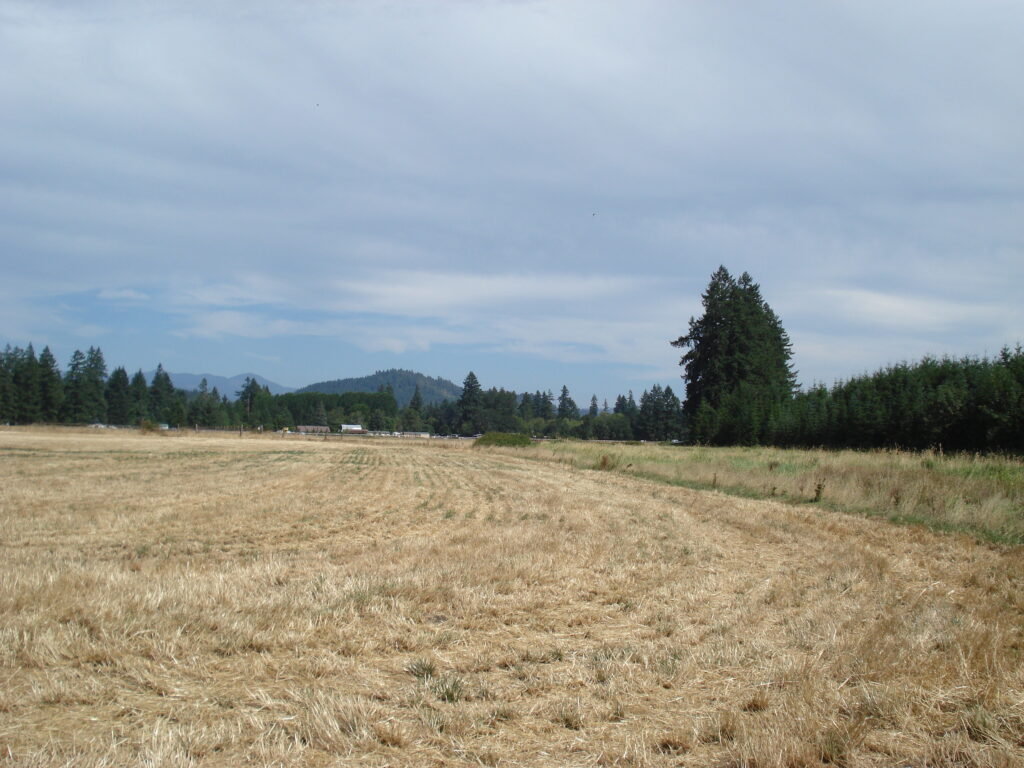
From an Oregon Land Specialist Who Reads the Full RMLS Report Every Month, Not Just the Headline Number People ask me this question constantly, and the honest answer has two parts: a general truth about land that hasn’t changed in twenty years, and a current-market answer that actually does change month to month. Most of what gets written about Oregon land timelines only covers the first part. I want to give you both. I’ve spent more than 20 years selling Oregon bare land, EFU farmland, and timberland, and I read the full RMLS Market Action Report for Polk and Marion Counties every single month — not just the average price, but total market time, inventory, and the land-specific columns. That combination is what actually lets me give a real answer instead of a generic one. Visit my YouTube channel The general truth: land takes longer than a house, always Most Oregon home sales close within a few weeks of listing because a large pool of buyers can evaluate a house in a single showing. Land is a smaller, more specialized buyer pool by definition, and it requires real homework before a buyer can make an informed offer — zoning, access, water rights, buildability, sometimes a timber cruise. That due diligence slows the pace even on a well-priced, well-marketed parcel, and no amount of market timing changes that underlying reality. Read more: Get the Latest Salem Market Insights What the current market is actually telling us As of the most recent RMLS report for Polk and Marion Counties, total residential market time — the number of days from listing to an accepted offer — sat at 71 days, the longest stretch recorded so far this year, up from 64 days a year earlier. Active residential inventory has run 20 to 50 percent above year-ago levels in every month of 2026. Land doesn’t move on an identical rhythm to residential, but a market working through more supply and a more selective buyer pool tends to make every seller’s timeline a little longer right now, land included — which makes accurate pricing and complete disclosure matter more than they did a year ago, not less. Read more: How Long Does It Take to Sell Bare Land in Oregon Right Now? The land-specific number, when it’s available This same report tracks land sales separately from residential activity, and year-to-date, Polk and Marion Counties combined have recorded over fifty closed land sales at an average price in the high $300,000s to low $400,000s. That volume tells you land is still moving at a real, steady pace — it just moves on its own calendar relative to the residential market, driven far more by a specific parcel’s zoning, access, and buildability than by the broader residential inventory trend. Price accuracy is still the single biggest lever Land priced using real, current land comparables — not home-sale logic or a generic statewide per-acre number — sells meaningfully faster than land that’s guessing. This was true two years ago and it’s true in whatever market condition we’re in this month. If your land has sat well past a reasonable timeline, pricing is the first thing I check, before I assume anything else is wrong with the parcel. Buildability clarity moves the needle almost as much Parcels sell faster when sellers provide clear, documented answers about septic feasibility, legal access, and zoning, regardless of market conditions. Buyers quickly move on to other properties when sellers cannot answer these questions, no matter how much inventory the market holds. Zoning and land type set different baseline expectations EFU-zoned farmland, land under farm or forest deferral, and land near an Urban Growth Boundary all attract different buyer pools and sell at genuinely different paces. Small buildable residential-zoned parcels near town tend to move fastest, because the buyer pool is largest. Timberland frequently takes longest, since it appeals to a niche mix of investors and recreational buyers and often needs a timber cruise before a buyer can value it properly. Read more: Can You Get a Loan to Buy Bare Land in Oregon? Cash buyers vs. a properly marketed listing — the tradeoff hasn’t changed Companies that buy Oregon land for cash typically close in days, not months, but that speed comes at a real cost: they generally pay well below market value, because speed and certainty are the product they’re selling. A properly marketed traditional listing, priced to real comps and reaching the right buyer type, takes longer but is very likely to net significantly more. Which one is worth it depends entirely on how much you value speed versus total proceeds. Marketing that actually reaches land buyers still matters most A listing built for home buyers — one photo, vague description, general MLS distribution — reaches almost none of the specific buyer types who’d actually want a given parcel: timber investors, hobby farmers, 1031 exchange buyers, builders. This is true regardless of whether inventory is high or low, and it’s usually the difference between a parcel that moves in a reasonable window and one that sits no matter what the broader market is doing. What slows down a land closing even after an offer is accepted An accepted offer isn’t the finish line for land the way it often is for a house. Financing for raw land is less standardized than residential mortgages, so a buyer’s lender may require its own appraisal, its own survey, or specific conditions tied to access and buildability before funding. A timber cruise can add several weeks to escrow if the seller hasn’t completed it before listing the parcel. During title work, a title company may also uncover an old mineral reservation or an easement on rural property, especially if the family has owned the land for decades. The seller may need to resolve these issues before closing can proceed. None of this means the deal is in trouble; it means land closings have their own rhythm, and building that reality into the timeline from
How to Sell Bare Land in Oregon: The Complete Process, Step by Step
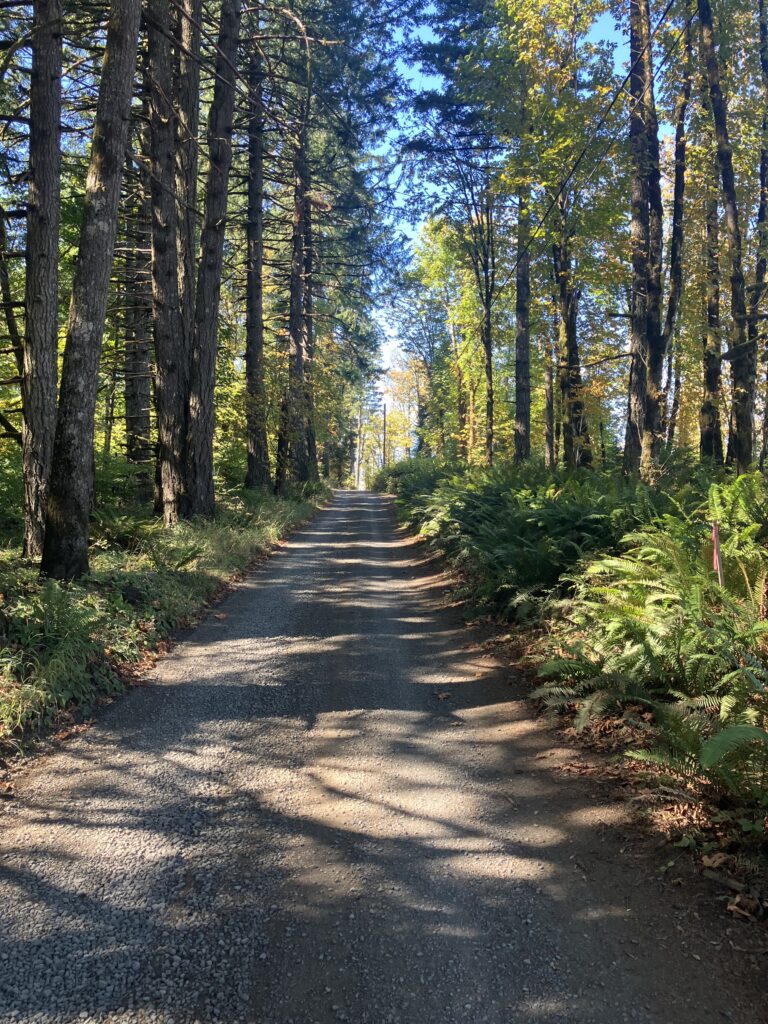
From a 30-Year Licensed General Contractor Who Has Sold Oregon Bare Land for 20+ Years Selling bare land in Oregon is not the same transaction as selling a house, and treating it that way is the single most common reason a sale drags on or closes for less than it should. There’s no curb appeal to stage, no kitchen to photograph — the entire sale rests on information a buyer can’t see just by driving past the parcel. This is the actual process I walk every seller through, in order, so nothing gets missed and nothing surprises a buyer’s attorney three weeks before closing. I’ve spent more than 20 years selling Oregon bare land, EFU farmland, and timberland, and more than 30 of those years as a licensed general contractor before that. Between the two, I’ve seen almost every version of what makes a land sale go smoothly and what makes it stall. Learn more: Polk & Marion County Real Estate Market Report — What July 2026’s Numbers Actually Mean for You Step 1: Confirm what the land actually is before you price it Before a number ever goes on a listing, I confirm the zoning designation directly with the county, check whether the parcel carries a farm or forest special assessment, and pull the preliminary title report to read the exceptions section. This sounds basic, but a shocking number of land listings go to market with the seller only generally aware of their own zoning, which leads to a price that doesn’t match what the land is legally allowed to do. Step 2: Answer the buildability question before a buyer asks it Serious land buyers all eventually ask the same three questions: can I build here, is there legal access, and what’s the water situation? A septic feasibility test or confirmation of an existing approved system, a recorded easement or documented road frontage, and clear water rights or well status turn vague interest into a real offer. Leaving these as open questions in the listing is the single most common way a parcel sits for months with plenty of “interest” and no actual offers. Learn more: Is Bare Land a Good Investment in Oregon? Step 3: Price it off real land comparables, not home-sale logic Land pricing depends on zoning, soil class, water rights, access, and buildability in ways a home appraisal simply doesn’t capture. Two parcels a half-mile apart can carry very different values if one is EFU-restricted and landlocked and the other has recorded road frontage and a confirmed building site. Pulling actual recent land sales — not a generic statewide per-acre average pulled from a national website — is where an accurate price actually comes from. Step 4: Resolve title and boundary questions early, not during escrow Rural Oregon parcels that have been in a family for decades often carry old mineral reservations, easements that were never formally released, or a fence line that doesn’t match the recorded legal description. None of these typically kill a deal if they’re identified and addressed before you list. They absolutely can kill a deal when a buyer’s title company flags them mid-escrow and the buyer gets cold feet. Step 5: Build marketing specifically for land buyers, not home buyers A listing with one photo of a field and a description that says “beautiful acreage, great potential” gives a serious buyer nothing to act on. What actually moves bare land is an aerial or drone shot that shows the real boundary and terrain, a clear statement of zoning and permitted uses, water rights status, and distribution specifically to land buyer channels — not just the general residential MLS feed most agents default to. Learn more: How Do You Get Water, Power, and Septic on Bare Land in Oregon? Step 6: Know which buyer type this specific parcel actually fits Land buyers aren’t one audience. Builders care about buildable acreage and utility access. Timber buyers care about board-foot volume and equipment access. Hobby farmers care about soil and water. 1031 exchange buyers care about like-kind qualification and closing timeline. A generic listing approach reaches none of these well, while a targeted approach — the right facts, aimed at the right buyer type — reaches all of them. Step 7: Negotiate and move through closing with the due diligence already done When you confirm buildability, access, water rights, and title before listing the property, you turn the due diligence period into a formality rather than a discovery process. That’s the difference between a 30-day escrow and one that drags for months while a buyer’s attorney tracks down answers that should have been in the listing from day one. What closing day actually looks like when the groundwork is done right When I complete every step above before listing the property, closing on bare land usually goes smoothly, which is exactly the goal. The buyer’s lender or cash verification team already has the information it needs because I documented the property’s buildability and access in advance. The title company finds no unexpected issues because I reviewed the preliminary title report and addressed any exceptions before listing. At that point, the parties only need to sign the documents and record the transaction. Now compare that with a closing where I still need to confirm buildability in the third week of escrow, the title company discovers an unreleased easement that no one disclosed, and the buyer starts losing patience. The difference between these two closings comes down to the preparation we complete months before closing, not the work we do during escrow. What I watch for in the final walk-through before listing goes live Before I publish the listing, I make one final check for anything that could surprise a buyer later. I look for fence lines that don’t match the recorded legal description, neighbors’ irrigation lines that cross the property without recorded easements, unpermitted outbuildings, and signs of unrecorded access agreements with adjoining landowners. These issues don’t necessarily kill a deal, but I
Is Bare Land a Good Investment in Oregon?
From an Oregon Land Specialist Who Has Guided Buyers Through This Exact Decision for 20+ Years The honest answer is: it depends on what you’re actually trying to accomplish, and the buyers who do well with Oregon land are almost always the ones who got clear on that before they started looking, not after. Bare land can be a genuinely strong long-term hold, a smart 1031 exchange placement, or a frustrating, illiquid mistake — and the difference usually comes down to matching the land to the actual goal, not the acreage to the budget. I’ve spent more than 20 years selling Oregon bare land, EFU farmland, and timberland, and I’ve watched this play out on both ends — buyers who bought the right land for the right reason and built real wealth from it, and buyers who bought land because it “seemed like it would go up” without a real plan for what it was going to do for them along the way. Read more: How Do You Get Water, Power, and Septic on Bare Land in Oregon? What actually makes land a good investment Land value in Oregon depends on several clear, identifiable factors. Soil quality and water access influence farm ground, while proximity to growing cities and urban growth boundaries can affect future development potential. Timber productivity matters for forestland, while local supply and demand can influence prices in a specific county or growth corridor. Land in areas with genuine, documented growth can hold and increase its value over time. By contrast, buyers who purchase land based only on hopes of future rezoning or development take on a much more speculative investment without supporting planning activity. Read more: Can You Get a Loan to Buy Bare Land in Oregon? The trade-off nobody skips: liquidity Land is not a liquid investment. It doesn’t sell in days the way a well-priced house in a good neighborhood might, and depending on the parcel and market conditions, a sale can take months. If you need the ability to convert this investment back to cash on short notice, land is generally the wrong vehicle. If you’re investing with a multi-year horizon and don’t need quick liquidity, that constraint matters much less. Holding costs are real, even on vacant land Property taxes continue on bare land, though qualifying farm or forest ground can reduce that burden through special assessment. If there’s a mortgage or land loan, that payment continues too. None of this is large compared to owning an improved property, but it’s not zero, and it needs to be part of the actual return calculation — not an afterthought. Where 1031 exchanges make Oregon land especially attractive A significant share of the serious land buyers I work with are placing a 1031 exchange — deferring capital gains tax from a sold property by rolling the proceeds into qualifying replacement real estate. I had a client who sold 171 acres of Oregon land for around $2 million and 1031-exchanged the proceeds into eight rental units in Portland — moving from roughly $28,000 a year in income to about $215,000 a year. That’s an extreme example, but it illustrates the real point: land itself doesn’t have to be the end goal. For the right buyer, it can be the vehicle that gets you somewhere else entirely, tax-deferred. Read more: What to Check Before Buying Bare Land in Oregon Farm and timber ground as a different kind of investment Productive farmland and timberland carry their own investment logic — they can generate ongoing income through leases, crop production, or timber harvest cycles, in addition to whatever the land itself appreciates. This is a genuinely different profile than raw, unproductive acreage bought purely for appreciation, and it’s worth being clear about which one you’re actually buying. Five questions to answer before treating land as an investment Why the “right” land depends entirely on the goal A buyer looking for a quiet future homesite has a completely different definition of “good investment” than a buyer 1031-exchanging into farmland for income, or an investor looking at timberland for a decade-plus hold. I spend real time up front understanding which of these a buyer actually is, because the parcel that’s perfect for one is often the wrong fit entirely for another. Read more: Can You Build a House on Bare Land in Oregon? Where I see the strongest long-term land value Across Marion, Polk, Yamhill, Linn, Benton, and Clackamas counties, the land that’s held value most consistently over time has generally been productive farm and timber ground and parcels positioned near real, documented growth corridors — not speculative acreage priced on a hope. That’s not a guarantee for any specific parcel, but it’s a consistent pattern from two decades of watching this market. Read more: Oregon Urban Growth Boundary and Land Value: Why Proximity Changes the Number Frequently asked questions Does all Oregon land appreciate over time? No — value depends heavily on the specific parcel’s productivity, location, and growth trajectory. Broad statements about “land always goes up” don’t hold up parcel by parcel. Is farmland a better investment than raw bare land? It depends on your goals. Farmland can generate income while you hold it and may qualify for reduced property tax through farm deferral; raw land without a farm use doesn’t offer either of those, but may fit better for a future building or holding strategy. How long should I plan to hold land as an investment? There’s no fixed number, but land generally rewards a multi-year, patient approach rather than a short-term flip — illiquidity is part of the asset, not an exception to it. Can I use a 1031 exchange to buy Oregon land? Often yes, if the transaction is structured correctly and timelines are met — this requires coordination with a qualified intermediary and your tax advisor, ideally before you sell the relinquished property, not after. Let’s figure out what “good investment” actually means for you Before we talk about specific parcels, I’d rather
How Do You Get Water, Power, and Septic on Bare Land in Oregon?
From a 30-Year Licensed General Contractor and City of Salem Survey Department Alum This is the practical question that comes right after “can I build here” — and it deserves its own honest answer, because bringing utilities to raw land is rarely as simple as “call the utility company.” Each of the three — water, power, and septic — has its own process, its own timeline, and its own way of turning into a bigger cost than buyers initially expect. I spent 30 years as a licensed general contractor and five years in the City of Salem survey department before becoming an Oregon land specialist, and I’ve been on both sides of this question — permitting and building the systems, and now helping buyers understand what a specific parcel will actually require before they own it. Read more: Can You Get a Loan to Buy Bare Land in Oregon? Water: well, water right, or district — and they’re not interchangeable If a water district serves the parcel, connecting is usually the most straightforward path, though there’s typically a connection fee and sometimes a wait for capacity. If there’s no district, you’re looking at drilling a well, and well yield and water quality vary by location — a driller familiar with that specific area can give you a realistic expectation before you’re committed to the purchase. Plus, if irrigation is part of your plan, that’s a separate question entirely, governed by Oregon’s certificated water right system, and it needs its own confirmation — a domestic well doesn’t automatically come with irrigation rights. Septic: the step that determines what you can even build Unless the parcel is on municipal sewer, you’ll need a septic system, and Oregon requires a site evaluation — administered through the county, under Department of Environmental Quality rules — before a septic permit is issued. The soil, slope, and water table on the specific building site determine whether a standard system works, whether you’ll need a more expensive engineered or alternative system, or in some cases whether a site can support a system at all. This evaluation should happen before you remove contingencies on a purchase, not after you own the land. Read more: What to Check Before Buying Bare Land in Oregon Power: distance from the nearest line is the whole story Rural power costs come down almost entirely to how far the building site sits from the nearest existing line. A parcel close to an existing connection might cost relatively little to serve. A parcel deep on a large acreage, well off the road, can mean a genuinely significant line-extension cost — sometimes into five or six figures — that needs to be part of your budget from day one, not a surprise after closing. Get an actual estimate from the serving utility for your specific building site location, not a general guess. Off-grid alternatives are real options, not just a workaround Solar with battery storage has become a legitimate, sometimes cost-competitive alternative to a long power line extension, particularly on parcels where the extension cost would be substantial. Similarly, a properly permitted well and septic system can make a parcel fully independent of municipal utilities. None of this is unusual in rural Oregon — a meaningful share of the land I sell ends up served this way by choice, not necessity. Read more: Can You Build a House on Bare Land in Oregon? Order of operations matters Confirm septic feasibility first, since it can affect where the home can even sit on the parcel — which then affects the power and water cost estimates, since both are measured from that specific building location, not just “somewhere on the property.” Doing this out of order is how buyers end up with a septic-approved site in one corner of the parcel and a power estimate based on a different, cheaper-looking spot that septic rules won’t actually allow. Five things to get real numbers on before you buy Why this is a contractor’s question as much as a land specialist’s Knowing what a septic evaluation actually tests for, what triggers an engineered system, and roughly what a power extension runs per linear foot isn’t something you learn from a real estate license — it’s something you learn from pulling the permits and doing the work. That background is exactly why I walk buyers through utility feasibility as a core part of evaluating a parcel, not an afterthought once they already own it. Read more: Oregon Urban Growth Boundary and Land Value: Why Proximity Changes the Number Where this comes up most Across Marion, Polk, Yamhill, Linn, Benton, and Clackamas counties, utility feasibility varies enormously even within the same general area — one parcel might sit near an existing line and municipal water district, while a similarly priced parcel a mile away could need a well, a septic system, and a real power extension. This is exactly why “price per acre” alone never tells the whole story on raw land. Frequently asked questions How much does a septic system cost in Oregon? It varies significantly based on soil conditions and system type — a standard system costs meaningfully less than an engineered or alternative system, which is exactly why the site evaluation needs to happen before you buy, not after. Can I drill a well anywhere on my property? Not necessarily — well placement is affected by setback requirements from septic systems, property lines, and other factors, so well and septic siting typically need to be planned together, not independently. Is solar power a realistic full-time option for a rural Oregon home? For many properties, yes, particularly when a grid power extension would be costly — modern solar and battery systems can reliably serve a home, though the right system size depends on your actual energy use and local conditions. Do I need a water right just for a well to supply my house? Typically, a domestic well for household use falls under an exemption from the full
Can You Get a Loan to Buy Bare Land in Oregon?
From a Former Commercial Property Buyer for Institutional Hedge Fund Clients Who Now Sells Oregon Bare Land Yes, but financing raw land works differently from financing a house, and buyers who expect a standard mortgage often find that lenders have different requirements. Land loans are common in Oregon, but lenders structure them differently because undeveloped land is harder to resell than a finished house. As a result, lenders often charge different rates and set different terms to manage that risk. Before I became a full-time Oregon land specialist, I spent years as a commercial property buyer for institutional hedge fund clients, evaluating exactly this kind of risk on much larger transactions. The underlying logic is the same whether it’s a 10-acre parcel or a $4 million exchange: the harder an asset is to resell quickly, the more conservative the financing terms. Read more: What to Check Before Buying Bare Land in Oregon Why land loans look different from a home mortgage A house has an appraised value based on comparable finished homes, and a lender can resell it relatively easily if a loan goes bad. Raw land has a thinner resale market, more variable value depending on buildability, and takes longer to move. Lenders account for that with larger down payments, shorter terms, and higher rates than a conventional home mortgage — and the exact terms shift quite a bit depending on the type of land. Raw land vs. improved land — lenders treat them differently Lenders generally draw a real distinction between raw or unimproved land (no utilities, no access improvements, no immediate building plans) and improved land (utilities in place, a septic evaluation done, ready or nearly ready to build on). Raw land poses a higher risk for lenders, so lenders typically require a larger down payment and charge a higher interest rate. Lenders generally view improved, buildable lots more favorably, especially when buyers have a construction plan, and may finance them under terms similar to a construction loan. Read more: Can You Build a House on Bare Land in Oregon? What down payments and terms typically look like Down payments on raw land loans are commonly well above what you’d put down on a house — often in the 20-50% range depending on the lender, the land type, and your credit profile — with correspondingly shorter loan terms than a 30-year mortgage. Every lender is different, and local and regional banks, credit unions, and Farm Credit institutions active in Oregon agricultural and rural lending often have more flexible or more specialized land loan programs than a national retail bank. Seller financing — worth asking about A meaningful share of Oregon bare land sales, especially smaller rural parcels, happen with some form of seller financing or a land contract instead of a traditional bank loan. This can work well for both sides when structured properly, though it comes with its own legal considerations that deserve a real estate attorney’s review — this isn’t a step to handle with a handshake and a payment plan scratched on paper. Read more: EFU Zoning in Oregon: What Exclusive Farm Use Actually Restricts Before You Buy or Sell If you’re planning to build soon If the plan is to buy land and build relatively quickly, ask lenders specifically about a construction or construction-to-permanent loan rather than a standalone land loan — these are structured around the building timeline and can sometimes offer better overall terms than financing the land purchase and the construction separately. Five things to do before you assume land won’t qualify for financing Why this matters when you’re pricing an offer Financing terms affect what a buyer can actually offer, which affects what a seller should expect, which affects how a parcel should be priced and marketed in the first place. Understanding realistic financing timelines and terms for a specific type of land is part of setting the right price and finding the right buyer pool — not a separate conversation from the sale itself. Read more: Farm Deferral in Oregon: How Special Assessment Actually Works Where this comes up most Across Marion, Polk, Yamhill, Linn, Benton, and Clackamas counties, I see the full range — cash buyers moving quickly on off-market farm ground, buyers using land loans through regional banks or Farm Credit for larger acreage, and smaller rural parcels changing hands through seller financing. Knowing which buyers are realistically financeable for a given parcel is part of how I market and price land correctly from the start. Read more: Conservation Easements on Oregon Farmland: What They Restrict and What They’re Actually Worth Frequently asked questions Is it harder to get a loan for land with no utilities? Generally yes — raw, unimproved land is viewed as higher risk by most lenders, which typically means a larger down payment and less favorable terms than land that’s already improved or ready to build on. Can I use a home equity loan to buy land instead? Some buyers do use home equity financing or other assets to buy land outright rather than getting a dedicated land loan — this avoids land-loan-specific terms entirely, but it means putting your existing home’s equity at risk, so it’s worth discussing with a financial advisor. What credit score do I need for a land loan? This varies by lender and loan type, generally trending higher than for a conventional home mortgage given the added risk — a direct conversation with a lender about your specific situation is more useful than a general number. Is seller financing a good option for buying Oregon land? It can be, particularly on smaller rural parcels, but it should always go through a real estate attorney to properly document the terms, default provisions, and title handling — not an informal agreement between buyer and seller. Let’s find the right financing path for the parcel you want Financing shouldn’t be the thing that stops you from buying the right piece of Oregon land. I’d rather point you toward lenders who actually
What to Check Before Buying Bare Land in Oregon
From an Oregon Land Specialist Who Grew Up in a Land Surveying Family Buying bare land isn’t like buying a house. There’s no inspector walking through rooms pointing out problems, and a lot of what actually matters — boundaries, access, water, zoning — is invisible until you specifically go looking for it. Most of the land deals I’ve seen go sideways weren’t about the price. I grew up in a land surveying family, running property lines and cruising timber with my father starting at age 12, then spent five years in the City of Salem survey department before becoming an Oregon land specialist. That background shaped how I approach due diligence — methodically, in a specific order, because skipping a step on raw land tends to cost more than skipping one on a house. Read more: Can You Build a House on Bare Land in Oregon? Start with the boundary, not the view Rural land frequently has fence lines that don’t match the recorded legal boundary — sometimes by a few feet, sometimes by a lot more. Before you get emotionally attached to where a view, a building site, or a tree line sits, confirm it’s actually inside the parcel you’re buying. A current survey, or at minimum a careful review of the existing legal description against visible features, prevents a genuinely common and expensive surprise. Confirm zoning and what it actually allows Zoning determines what you can build. Don’t rely on how a listing describes the land — confirm the actual zoning designation with the county, and ask specifically about the use you have in mind, not just “is this buildable” in general terms. Read more: Oregon Timberland For Sale in the Willamette Valley: 2026 Buyer’s Guide Check access — on paper and on the ground Confirm the parcel has legal, recorded access, whether that’s public road frontage or a properly documented easement. Then walk it. A recorded 20-foot easement may technically provide legal access, but if no one has graded or maintained it, it can be far less practical than a paved private road Pull the title report and actually read the exceptions Title reports list easements, reservations, liens, and other encumbrances in an exceptions section that’s easy to skim past. Mineral or timber rights reservations, utility easements crossing a potential building site, and old agreements from previous owners can all limit what you can do with land you otherwise own outright. Have someone who reads these regularly walk through the exceptions with you. Understand water before you count on it If the parcel needs a well, confirm typical yield and quality in that specific area rather than assuming water because a neighbor has a good well. If there’s a certificated water right involved — for irrigation or another use — confirm it’s currently valid and in good standing, since Oregon water rights can lapse from years of non-use. Read more: EFU Zoning in Oregon: What Exclusive Farm Use Actually Restricts Before You Buy or Sell Check for farm deferral or other special tax status Land under special assessment, such as farm or forest deferral, receives a reduced tax rate when it meets the qualifying-use requirements. If your intended use no longer qualifies, the county may disqualify the property and assess back taxes. Confirm the property’s status and any potential back-tax liability with the county assessor before closing rather than discovering it afterward. Don’t skip a physical walk of the whole parcel Aerial photos and listing descriptions can’t tell you everything — a walk of the actual boundary lines, not just the driveway and the obvious building area, often turns up things that matter: wet areas that don’t show on a summer photo, old fence lines that don’t match the plat, informal trails or usage by neighbors, or terrain that changes the buildable footprint more than it appears from the road. If the acreage is large or the terrain is difficult, this is worth doing with someone who knows what to look for, not just a casual stroll. Read more: Farm Deferral in Oregon: How Special Assessment Actually Works Five things to put in writing before you remove contingencies Why raw land due diligence is its own discipline A residential home inspection follows a fairly standard checklist. Bare land due diligence is more like detective work — the problems aren’t in one report, they’re spread across survey records, county planning files, the title company, and sometimes a phone call to a well driller or the assessor’s office. Doing this specifically for Oregon land, for two decades, means I know which of these steps matters most for a given parcel and county, rather than running through a generic checklist. Where this comes up most Across Marion, Polk, Yamhill, Linn, Benton, and Clackamas counties, the due diligence issues I see most often are boundary mismatches on older rural parcels, EFU dwelling eligibility questions, and access easements that were never properly documented or maintained — all things that show up in records and conversations, not in a drive-by look at the property. Read more: Conservation Easements on Oregon Farmland: What They Restrict and What They’re Actually Worth Frequently asked questions Do I need a survey every time I buy bare land? Not always, but strongly consider one when fence lines, buildings, or features don’t clearly and obviously match the recorded legal description, or when boundary certainty matters for your plans. How do I find out if there’s a water right on the property? The Oregon Water Resources Department maintains searchable records by name, parcel, or certificate number — confirm any represented water right directly rather than taking a listing’s word for it. What’s the biggest due diligence mistake you see buyers make? Skipping the title exceptions section because it looks like boilerplate. That’s exactly where reservations, easements, and restrictions that actually limit the property tend to live. Should I get title insurance on bare land? Generally yes — it protects against issues in the chain of title that even careful
Can You Build a House on Bare Land in Oregon?
From a 30-Year Licensed General Contractor Who Has Vetted Buildability on Oregon Land for 20+ Years This is the question I get more than any other, and the honest answer is: it depends on three things — zoning, septic or sewer capability, and legal access — and all three have to check out before “bare land” becomes “buildable land.” A lot of vacant Oregon parcels look identical from the road. Whether you can actually put a house on one is a completely different story from parcel to parcel. I spent 30 years as a licensed general contractor before I ever sold land, and I’ve spent more than 20 years since selling Oregon bare land, EFU farmland, and timberland. Between the two, I’ve watched more buyers encounter buildability issues than almost anything else, and buyers could have avoided nearly all of them by asking the right questions upfront. Read more: Oregon Urban Growth Boundary and Land Value: Why Proximity Changes the Number Start with zoning, not the dirt Zoning determines whether a home allow on the parcel, and it varies enormously. Rural residential zoning generally allows a home outright. EFU (Exclusive Farm Use) zoning restricts dwellings to specific tests tied to farm income or history — it’s genuinely possible to own farm-zoned land and not have a clear right to build on it. Forest zoning carries its own separate set of dwelling rules. Before you look at anything else, confirm the zoning designation with the county and ask directly: “does this zoning allow a dwelling on this specific parcel, as it sits today?” Septic or sewer — the step that kills more sales than anything else If the parcel isn’t connected to a municipal sewer line, you need a septic system, and Oregon doesn’t let you assume it will work. The Department of Environmental Quality, through the county sanitarian’s office, requires you to complete a site evaluation to confirm that the soil can support a septic system before it issues a permit. Some parcels pass the evaluation easily. Others require an engineered or alternative system, which can add significant costs. Poor drainage, a high water table, or rock can also prevent a parcel from supporting a conventional system. Before you remove contingencies, get a septic site evaluation or, at minimum, review any existing evaluation on file with the county. This is one of the highest-value steps you can take when buying bare land. Read more: Conservation Easements on Oregon Farmland: What They Restrict and What They’re Actually Worth Legal access — paper access isn’t always real access A parcel can show a road on the map and still not have documented, legal access. Oregon rural land sometimes uses easements across neighboring properties, but property owners do not always record, maintain, or properly size those easements for driveway access. Confirm that the parcel has a recorded easement or public road frontage, rather than relying on a visible dirt track that happens to lead to the property. Water — well feasibility isn’t guaranteed either If there’s no water district serving the parcel, you’ll need a well, and while most of the Willamette Valley has reasonably reliable groundwater, well yield and water quality still vary by location. Building site matters as much as the parcel itself Even once zoning, septic, access, and water all check out, where on the parcel you actually build changes the equation again. A septic-approved site on one corner of a 10-acre parcel might sit far enough from the road or the power line that it drives up both the driveway cost and the utility extension cost. I always encourage buyers to think about the likely building envelope early — not just “is this parcel buildable,” but “is the specific spot I’m picturing my house on the one that actually works.” Five things to confirm before assuming a parcel is buildable Why this needs someone who’s done the building, not just the selling A lot of what determines buildability isn’t visible on a listing photo — it’s zoning code, soil evaluation results, and recorded easements. My contracting background means I actually know what a septic evaluation looks like, what triggers an engineered system versus a standard one, and roughly what a power line extension runs, because I’ve dealt with all of it directly, not just read about it. Read more: Farm Deferral in Oregon: How Special Assessment Actually Works Where this comes up most Across Marion, Polk, Yamhill, Linn, Benton, and Clackamas counties, the parcels that get the most buildability questions are exactly the ones that look the most appealing on paper — nice view, good acreage, reasonable price — because affordability and buildability don’t always travel together. The cheapest parcel per acre is sometimes cheap precisely because it’s harder to build on. Read more: EFU Zoning in Oregon: What Exclusive Farm Use Actually Restricts Before You Buy or Sell Frequently asked questions Can I build on land zoned EFU? Sometimes, but it requires meeting specific state and county tests, usually tied to farm income or history — it’s not automatic the way it is on rural residential zoning. Confirm this before you buy if a home is part of your plan. Do I need a septic evaluation before I even make an offer? Not necessarily before the offer, but you should make your offer contingent on a satisfactory septic evaluation if one hasn’t already been done, since this is one of the most common reasons a “buildable” parcel turns out not to be. What if the parcel has no recorded access? This needs to be resolved before closing, either through a documented easement or another legal access solution. Buying land without confirmed legal access is one of the riskiest mistakes a land buyer can make. How much does it cost to bring power to a rural parcel? It varies enormously by distance from the nearest line and the utility involved — it can be a modest cost or a very significant one. Get an actual estimate from the
Oregon Urban Growth Boundary and Land Value: Why Proximity Changes the Number
From a Former City of Salem Survey Department Land Specialist Who Tracks Oregon’s Urban Growth Boundaries Two parcels can sit less than a mile apart, have similar soil and acreage, and still sell for very different prices. Often, a planning map line that many buyers have never heard of explains the difference. Oregon’s Urban Growth Boundaries (UGBs) draw a clear edge around every city. They separate land that can eventually support urban-density development from land that state law generally protects from that type of development. A parcel’s location relative to the UGB can significantly influence its value. I spent five years in the City of Salem survey department and have sold Oregon bare land, EFU farmland, and timberland for more than 20 years. During that time, I’ve watched UGB discussions unfold at the county and city levels. I’ve seen how much speculative value buyers can attach to land near a boundary, and I’ve also seen how often that value doesn’t match what is actually likely to happen. Read more: Conservation Easements on Oregon Farmland: What They Restrict and What They’re Actually Worth What Is an Urban Growth Boundary in Oregon? Since the 1970s, Oregon has required every city to draw and maintain an Urban Growth Boundary under the state’s statewide land use planning system. Over time, cities plan to use land inside the UGB for urban development, including housing, commercial projects, and infrastructure. Outside the UGB, Oregon generally protects land for farming, forestry, or rural uses and does not allow cities to urbanize it simply because it sits close to the city. This approach helps keep Oregon’s cities relatively compact. It also explains why farmland next to a city edge can look, to an untrained eye, like “obviously the next subdivision” when Oregon’s land use rules treat it very differently. Why Land Just Outside a UGB Isn’t Automatically About to Be Developed This is the single biggest misconception I run into. Buyers see rural land adjacent to Salem, Portland, or another city and assume it’s simply a matter of time before it’s pulled into the boundary and rezoned. In reality, UGB expansions are infrequent, heavily regulated, and go through a formal process involving the city, the county, and the state’s land use goals — they are not routine and not guaranteed, even for parcels that seem like an obvious fit. Pricing land based on an assumed future UGB expansion is pricing a possibility, not a fact, and that gap is exactly where buyers overpay. Read more: Farm Deferral in Oregon: How Special Assessment Actually Works How location relative to the UGB actually shows up in value Land inside the UGB offers urban development potential, so buyers often pay dramatically more per acre than they would for comparable rural ground just across the line. Current zoning and infrastructure planning can support development at urban densities, which drives that higher value. Land immediately outside the UGB can also command a premium, particularly when urban reserves or long-range planning identify the area as a possible future expansion zone. However, buyers should treat that premium as a probability, not a certainty, and base their valuation on the city’s actual growth plans rather than general optimism. Land well outside any UGB or reserve area usually has no plausible path to urbanization. Buyers therefore value it based on its farm, timber, or rural residential potential, which typically provides a more stable and defensible valuation. What actually moves a UGB Cities periodically evaluate whether they have enough buildable land inside their boundary to accommodate projected population growth over a planning horizon, generally 20 years out. If a city can demonstrate a shortfall, it can propose an expansion — but the process involves specific criteria, public hearings, county coordination, and state review, and proposed areas don’t always make it in. Tracking a specific city’s most recent buildable lands inventory and growth management plan tells you far more about real expansion likelihood than a parcel’s distance from the line on a map. Read more: EFU Zoning in Oregon: What Exclusive Farm Use Actually Restricts Before You Buy or Sell Five things to check before pricing land near a UGB Where this plays out most in the counties I work Around Salem, Keizer, Woodburn, Newberg, Canby, and Albany, buyers and sellers closely watch land just outside each city’s UGB, but they often price it very differently. Some parcels have a realistic chance of entering future planning discussions, while much of the land remains farm or timberland that may stay that way for decades. In many cases, sellers or buyers price these properties based on assumptions that the planning record does not support. Read more: Oregon Timberland For Sale in the Willamette Valley: 2026 Buyer’s Guide Why this needs a land specialist’s read, not a general one A residential agent working inside city limits rarely deals with UGB questions at all. Pricing rural land accurately near a boundary means understanding both sides — the zoning, water, and access realities of the land as it sits today, and the actual, document-backed likelihood of it ever changing. Frequently asked questions Does land right next to a UGB automatically become more valuable over time? Not automatically. It can carry a premium reflecting future potential, but that premium is speculative unless there’s documented planning activity supporting it — proximity alone isn’t evidence. Can I request my land to include in the UGB myself? Individual landowners generally can’t unilaterally trigger a UGB expansion. Expansion is a formal city and county planning process tied to demonstrated regional growth need, not an individual application. If my land pull into a UGB, does it rezone automatically? No — inclusion in the UGB is a separate step from actual rezoning and annexation, which typically follow later and involve their own processes, timelines, and requirements. Is land outside a UGB a bad investment? Not at all — it depends entirely on what you want from it. For farm, timber, or rural residential use, land outside a UGB is priced and