
Who Buys Bare Land in Oregon? The Real Buyer Types Behind Every Sale
From a Former Commercial Property Buyer for Institutional Hedge Fund Clients Who Knows How to Match Land to the Right Buyer Understanding who actually buys bare land changes how you should price it, market it, and talk about it — because land buyers are nothing like the broad, fairly uniform pool of home buyers most listings are built for. There are really only a handful of buyer types in this market, and each one is looking for something genuinely different in the same parcel. Before I became a full-time Oregon land specialist, I spent years as a commercial property buyer for institutional hedge fund clients, evaluating real estate purely on what it could do for a specific buyer’s goals. That same lens — matching the property to the buyer’s actual purpose, not a generic audience — is exactly how I think about who buys Oregon bare land. Get the Latest Salem Market Insights The future homebuilder This buyer wants a specific site to eventually build a home on, whether that’s next year or five years out. They care most about confirmed buildability — septic feasibility, legal access, utility proximity — and a location that fits their lifestyle, whether that’s close to town or genuinely remote. Visit my YouTube channel The hobby farmer or homesteader This buyer wants acreage to run some livestock, grow their own food, or simply have space, often without needing the parcel to be a full commercial farm operation. They care about soil quality, water access, and whether the zoning realistically supports their plans — and on EFU land specifically, they need to understand the dwelling restrictions clearly before they fall in love with a parcel they can’t build on the way they imagined. Read more: What Does Bare Land Cost in Oregon? A Realistic Per-Acre Breakdown The active farmer expanding an operation This buyer already farms and is looking to add acreage, often adjacent to or near land they already operate. They evaluate soil productivity, water rights, and existing infrastructure with real operational knowledge, and they move efficiently once the numbers work — but they also know exactly what they’re looking at, so inflated pricing or incomplete disclosure gets caught immediately. The timber investor This buyer is evaluating standing timber value, access for harvest equipment, and growth potential over a multi-year or multi-decade hold. A current, professional timber cruise is essential to this buyer — they will do their own version of this analysis regardless, and having current numbers ready puts the seller in a far stronger negotiating position. The 1031 exchange buyer This buyer is placing proceeds from a sold property into qualifying replacement real estate to defer capital gains tax, often under real time pressure from the 45-day identification and 180-day closing deadlines. They need a transaction that can actually close inside that window, and they often value off-market access to land that hasn’t hit public listings yet, since good replacement property is frequently found through relationships rather than searches. Read more: Can I Sell EFU Land in Oregon? What the Zoning Actually Allows The recreational buyer This buyer wants land for hunting, fishing access, or simply a private retreat, and is often less driven by buildability or farm income than the other buyer types. Access, privacy, and proximity to specific recreational features — water, forest, elevation — matter more to this buyer than zoning technicalities, as long as the land does what they want it to do today. The land or timber speculator This buyer is betting on appreciation — proximity to a growing city, a potential future Urban Growth Boundary expansion, or simply a belief that raw acreage will be worth more later. This is a genuinely more speculative buyer type, and matching them to land near a UGB requires being honest about what’s documented growth planning versus what’s just hope, since overpaying based on assumed future rezoning is a real risk for this buyer specifically. The conservation or public-agency buyer Less common but real: a land trust, watershed council, or public agency occasionally buys acreage specifically for habitat, riparian protection, or public access purposes, often with grant funding tied to specific conservation outcomes rather than development potential. This buyer evaluates a parcel almost entirely differently from every other type on this list — water features, habitat value, and adjacency to other protected land matter far more than buildability or soil productivity. These deals move on a different, often slower timeline tied to funding cycles and board approvals, but they can be the right fit for a parcel that doesn’t score well for any of the more conventional buyer types. Read more: Why Isn’t My Land Selling in Oregon? A Diagnostic Checklist A story that shows why matching the buyer type matters more than the listing price I once had a timbered parcel that sat for months marketed as a potential homesite, because that’s how the previous listing had framed it — buildable acreage, nice views, room for a house. The lot actually had limited septic feasibility and a tight building envelope, which meant builders kept passing after their own due diligence. Once I had the standing timber actually cruised and remarketed the same parcel to timber investors and active loggers in the area, it sold within weeks, at a number not far from the original asking price. Nothing about the land changed. The buyer type the listing was aimed at did. Why knowing your buyer type changes your listing entirely A listing built for a future homebuilder emphasizes buildability and lifestyle. A listing built for a timber investor leads with cruise data and access for equipment. Also, a listing built for a 1031 exchange buyer emphasizes closing timeline flexibility and like-kind qualification. Writing one generic description and hoping it reaches all of these buyers simultaneously is exactly how a parcel ends up reaching none of them effectively. Read more: How Long Does It Take to Sell Bare Land in Oregon Right Now? How this affects where the marketing actually goes
Is Bare Land a Good Investment in Oregon?
From an Oregon Land Specialist Who Has Guided Buyers Through This Exact Decision for 20+ Years The honest answer is: it depends on what you’re actually trying to accomplish, and the buyers who do well with Oregon land are almost always the ones who got clear on that before they started looking, not after. Bare land can be a genuinely strong long-term hold, a smart 1031 exchange placement, or a frustrating, illiquid mistake — and the difference usually comes down to matching the land to the actual goal, not the acreage to the budget. I’ve spent more than 20 years selling Oregon bare land, EFU farmland, and timberland, and I’ve watched this play out on both ends — buyers who bought the right land for the right reason and built real wealth from it, and buyers who bought land because it “seemed like it would go up” without a real plan for what it was going to do for them along the way. Read more: How Do You Get Water, Power, and Septic on Bare Land in Oregon? What actually makes land a good investment Land value in Oregon depends on several clear, identifiable factors. Soil quality and water access influence farm ground, while proximity to growing cities and urban growth boundaries can affect future development potential. Timber productivity matters for forestland, while local supply and demand can influence prices in a specific county or growth corridor. Land in areas with genuine, documented growth can hold and increase its value over time. By contrast, buyers who purchase land based only on hopes of future rezoning or development take on a much more speculative investment without supporting planning activity. Read more: Can You Get a Loan to Buy Bare Land in Oregon? The trade-off nobody skips: liquidity Land is not a liquid investment. It doesn’t sell in days the way a well-priced house in a good neighborhood might, and depending on the parcel and market conditions, a sale can take months. If you need the ability to convert this investment back to cash on short notice, land is generally the wrong vehicle. If you’re investing with a multi-year horizon and don’t need quick liquidity, that constraint matters much less. Holding costs are real, even on vacant land Property taxes continue on bare land, though qualifying farm or forest ground can reduce that burden through special assessment. If there’s a mortgage or land loan, that payment continues too. None of this is large compared to owning an improved property, but it’s not zero, and it needs to be part of the actual return calculation — not an afterthought. Where 1031 exchanges make Oregon land especially attractive A significant share of the serious land buyers I work with are placing a 1031 exchange — deferring capital gains tax from a sold property by rolling the proceeds into qualifying replacement real estate. I had a client who sold 171 acres of Oregon land for around $2 million and 1031-exchanged the proceeds into eight rental units in Portland — moving from roughly $28,000 a year in income to about $215,000 a year. That’s an extreme example, but it illustrates the real point: land itself doesn’t have to be the end goal. For the right buyer, it can be the vehicle that gets you somewhere else entirely, tax-deferred. Read more: What to Check Before Buying Bare Land in Oregon Farm and timber ground as a different kind of investment Productive farmland and timberland carry their own investment logic — they can generate ongoing income through leases, crop production, or timber harvest cycles, in addition to whatever the land itself appreciates. This is a genuinely different profile than raw, unproductive acreage bought purely for appreciation, and it’s worth being clear about which one you’re actually buying. Five questions to answer before treating land as an investment Why the “right” land depends entirely on the goal A buyer looking for a quiet future homesite has a completely different definition of “good investment” than a buyer 1031-exchanging into farmland for income, or an investor looking at timberland for a decade-plus hold. I spend real time up front understanding which of these a buyer actually is, because the parcel that’s perfect for one is often the wrong fit entirely for another. Read more: Can You Build a House on Bare Land in Oregon? Where I see the strongest long-term land value Across Marion, Polk, Yamhill, Linn, Benton, and Clackamas counties, the land that’s held value most consistently over time has generally been productive farm and timber ground and parcels positioned near real, documented growth corridors — not speculative acreage priced on a hope. That’s not a guarantee for any specific parcel, but it’s a consistent pattern from two decades of watching this market. Read more: Oregon Urban Growth Boundary and Land Value: Why Proximity Changes the Number Frequently asked questions Does all Oregon land appreciate over time? No — value depends heavily on the specific parcel’s productivity, location, and growth trajectory. Broad statements about “land always goes up” don’t hold up parcel by parcel. Is farmland a better investment than raw bare land? It depends on your goals. Farmland can generate income while you hold it and may qualify for reduced property tax through farm deferral; raw land without a farm use doesn’t offer either of those, but may fit better for a future building or holding strategy. How long should I plan to hold land as an investment? There’s no fixed number, but land generally rewards a multi-year, patient approach rather than a short-term flip — illiquidity is part of the asset, not an exception to it. Can I use a 1031 exchange to buy Oregon land? Often yes, if the transaction is structured correctly and timelines are met — this requires coordination with a qualified intermediary and your tax advisor, ideally before you sell the relinquished property, not after. Let’s figure out what “good investment” actually means for you Before we talk about specific parcels, I’d rather
How Do You Get Water, Power, and Septic on Bare Land in Oregon?
From a 30-Year Licensed General Contractor and City of Salem Survey Department Alum This is the practical question that comes right after “can I build here” — and it deserves its own honest answer, because bringing utilities to raw land is rarely as simple as “call the utility company.” Each of the three — water, power, and septic — has its own process, its own timeline, and its own way of turning into a bigger cost than buyers initially expect. I spent 30 years as a licensed general contractor and five years in the City of Salem survey department before becoming an Oregon land specialist, and I’ve been on both sides of this question — permitting and building the systems, and now helping buyers understand what a specific parcel will actually require before they own it. Read more: Can You Get a Loan to Buy Bare Land in Oregon? Water: well, water right, or district — and they’re not interchangeable If a water district serves the parcel, connecting is usually the most straightforward path, though there’s typically a connection fee and sometimes a wait for capacity. If there’s no district, you’re looking at drilling a well, and well yield and water quality vary by location — a driller familiar with that specific area can give you a realistic expectation before you’re committed to the purchase. Plus, if irrigation is part of your plan, that’s a separate question entirely, governed by Oregon’s certificated water right system, and it needs its own confirmation — a domestic well doesn’t automatically come with irrigation rights. Septic: the step that determines what you can even build Unless the parcel is on municipal sewer, you’ll need a septic system, and Oregon requires a site evaluation — administered through the county, under Department of Environmental Quality rules — before a septic permit is issued. The soil, slope, and water table on the specific building site determine whether a standard system works, whether you’ll need a more expensive engineered or alternative system, or in some cases whether a site can support a system at all. This evaluation should happen before you remove contingencies on a purchase, not after you own the land. Read more: What to Check Before Buying Bare Land in Oregon Power: distance from the nearest line is the whole story Rural power costs come down almost entirely to how far the building site sits from the nearest existing line. A parcel close to an existing connection might cost relatively little to serve. A parcel deep on a large acreage, well off the road, can mean a genuinely significant line-extension cost — sometimes into five or six figures — that needs to be part of your budget from day one, not a surprise after closing. Get an actual estimate from the serving utility for your specific building site location, not a general guess. Off-grid alternatives are real options, not just a workaround Solar with battery storage has become a legitimate, sometimes cost-competitive alternative to a long power line extension, particularly on parcels where the extension cost would be substantial. Similarly, a properly permitted well and septic system can make a parcel fully independent of municipal utilities. None of this is unusual in rural Oregon — a meaningful share of the land I sell ends up served this way by choice, not necessity. Read more: Can You Build a House on Bare Land in Oregon? Order of operations matters Confirm septic feasibility first, since it can affect where the home can even sit on the parcel — which then affects the power and water cost estimates, since both are measured from that specific building location, not just “somewhere on the property.” Doing this out of order is how buyers end up with a septic-approved site in one corner of the parcel and a power estimate based on a different, cheaper-looking spot that septic rules won’t actually allow. Five things to get real numbers on before you buy Why this is a contractor’s question as much as a land specialist’s Knowing what a septic evaluation actually tests for, what triggers an engineered system, and roughly what a power extension runs per linear foot isn’t something you learn from a real estate license — it’s something you learn from pulling the permits and doing the work. That background is exactly why I walk buyers through utility feasibility as a core part of evaluating a parcel, not an afterthought once they already own it. Read more: Oregon Urban Growth Boundary and Land Value: Why Proximity Changes the Number Where this comes up most Across Marion, Polk, Yamhill, Linn, Benton, and Clackamas counties, utility feasibility varies enormously even within the same general area — one parcel might sit near an existing line and municipal water district, while a similarly priced parcel a mile away could need a well, a septic system, and a real power extension. This is exactly why “price per acre” alone never tells the whole story on raw land. Frequently asked questions How much does a septic system cost in Oregon? It varies significantly based on soil conditions and system type — a standard system costs meaningfully less than an engineered or alternative system, which is exactly why the site evaluation needs to happen before you buy, not after. Can I drill a well anywhere on my property? Not necessarily — well placement is affected by setback requirements from septic systems, property lines, and other factors, so well and septic siting typically need to be planned together, not independently. Is solar power a realistic full-time option for a rural Oregon home? For many properties, yes, particularly when a grid power extension would be costly — modern solar and battery systems can reliably serve a home, though the right system size depends on your actual energy use and local conditions. Do I need a water right just for a well to supply my house? Typically, a domestic well for household use falls under an exemption from the full
Can You Get a Loan to Buy Bare Land in Oregon?
From a Former Commercial Property Buyer for Institutional Hedge Fund Clients Who Now Sells Oregon Bare Land Yes, but financing raw land works differently from financing a house, and buyers who expect a standard mortgage often find that lenders have different requirements. Land loans are common in Oregon, but lenders structure them differently because undeveloped land is harder to resell than a finished house. As a result, lenders often charge different rates and set different terms to manage that risk. Before I became a full-time Oregon land specialist, I spent years as a commercial property buyer for institutional hedge fund clients, evaluating exactly this kind of risk on much larger transactions. The underlying logic is the same whether it’s a 10-acre parcel or a $4 million exchange: the harder an asset is to resell quickly, the more conservative the financing terms. Read more: What to Check Before Buying Bare Land in Oregon Why land loans look different from a home mortgage A house has an appraised value based on comparable finished homes, and a lender can resell it relatively easily if a loan goes bad. Raw land has a thinner resale market, more variable value depending on buildability, and takes longer to move. Lenders account for that with larger down payments, shorter terms, and higher rates than a conventional home mortgage — and the exact terms shift quite a bit depending on the type of land. Raw land vs. improved land — lenders treat them differently Lenders generally draw a real distinction between raw or unimproved land (no utilities, no access improvements, no immediate building plans) and improved land (utilities in place, a septic evaluation done, ready or nearly ready to build on). Raw land poses a higher risk for lenders, so lenders typically require a larger down payment and charge a higher interest rate. Lenders generally view improved, buildable lots more favorably, especially when buyers have a construction plan, and may finance them under terms similar to a construction loan. Read more: Can You Build a House on Bare Land in Oregon? What down payments and terms typically look like Down payments on raw land loans are commonly well above what you’d put down on a house — often in the 20-50% range depending on the lender, the land type, and your credit profile — with correspondingly shorter loan terms than a 30-year mortgage. Every lender is different, and local and regional banks, credit unions, and Farm Credit institutions active in Oregon agricultural and rural lending often have more flexible or more specialized land loan programs than a national retail bank. Seller financing — worth asking about A meaningful share of Oregon bare land sales, especially smaller rural parcels, happen with some form of seller financing or a land contract instead of a traditional bank loan. This can work well for both sides when structured properly, though it comes with its own legal considerations that deserve a real estate attorney’s review — this isn’t a step to handle with a handshake and a payment plan scratched on paper. Read more: EFU Zoning in Oregon: What Exclusive Farm Use Actually Restricts Before You Buy or Sell If you’re planning to build soon If the plan is to buy land and build relatively quickly, ask lenders specifically about a construction or construction-to-permanent loan rather than a standalone land loan — these are structured around the building timeline and can sometimes offer better overall terms than financing the land purchase and the construction separately. Five things to do before you assume land won’t qualify for financing Why this matters when you’re pricing an offer Financing terms affect what a buyer can actually offer, which affects what a seller should expect, which affects how a parcel should be priced and marketed in the first place. Understanding realistic financing timelines and terms for a specific type of land is part of setting the right price and finding the right buyer pool — not a separate conversation from the sale itself. Read more: Farm Deferral in Oregon: How Special Assessment Actually Works Where this comes up most Across Marion, Polk, Yamhill, Linn, Benton, and Clackamas counties, I see the full range — cash buyers moving quickly on off-market farm ground, buyers using land loans through regional banks or Farm Credit for larger acreage, and smaller rural parcels changing hands through seller financing. Knowing which buyers are realistically financeable for a given parcel is part of how I market and price land correctly from the start. Read more: Conservation Easements on Oregon Farmland: What They Restrict and What They’re Actually Worth Frequently asked questions Is it harder to get a loan for land with no utilities? Generally yes — raw, unimproved land is viewed as higher risk by most lenders, which typically means a larger down payment and less favorable terms than land that’s already improved or ready to build on. Can I use a home equity loan to buy land instead? Some buyers do use home equity financing or other assets to buy land outright rather than getting a dedicated land loan — this avoids land-loan-specific terms entirely, but it means putting your existing home’s equity at risk, so it’s worth discussing with a financial advisor. What credit score do I need for a land loan? This varies by lender and loan type, generally trending higher than for a conventional home mortgage given the added risk — a direct conversation with a lender about your specific situation is more useful than a general number. Is seller financing a good option for buying Oregon land? It can be, particularly on smaller rural parcels, but it should always go through a real estate attorney to properly document the terms, default provisions, and title handling — not an informal agreement between buyer and seller. Let’s find the right financing path for the parcel you want Financing shouldn’t be the thing that stops you from buying the right piece of Oregon land. I’d rather point you toward lenders who actually
What to Check Before Buying Bare Land in Oregon
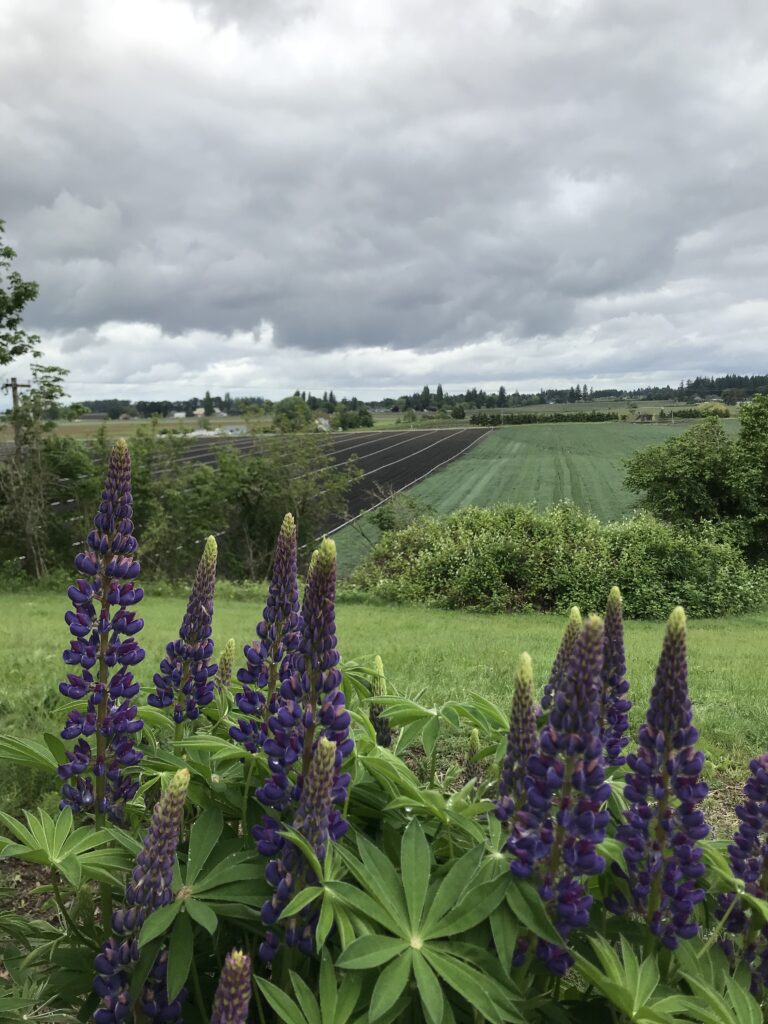
From an Oregon Land Specialist Who Grew Up in a Land Surveying Family Buying bare land isn’t like buying a house. There’s no inspector walking through rooms pointing out problems, and a lot of what actually matters — boundaries, access, water, zoning — is invisible until you specifically go looking for it. Most of the land deals I’ve seen go sideways weren’t about the price. I grew up in a land surveying family, running property lines and cruising timber with my father starting at age 12, then spent five years in the City of Salem survey department before becoming an Oregon land specialist. That background shaped how I approach due diligence — methodically, in a specific order, because skipping a step on raw land tends to cost more than skipping one on a house. Read more: Can You Build a House on Bare Land in Oregon? Start with the boundary, not the view Rural land frequently has fence lines that don’t match the recorded legal boundary — sometimes by a few feet, sometimes by a lot more. Before you get emotionally attached to where a view, a building site, or a tree line sits, confirm it’s actually inside the parcel you’re buying. A current survey, or at minimum a careful review of the existing legal description against visible features, prevents a genuinely common and expensive surprise. Confirm zoning and what it actually allows Zoning determines what you can build. Don’t rely on how a listing describes the land — confirm the actual zoning designation with the county, and ask specifically about the use you have in mind, not just “is this buildable” in general terms. Read more: Oregon Timberland For Sale in the Willamette Valley: 2026 Buyer’s Guide Check access — on paper and on the ground Confirm the parcel has legal, recorded access, whether that’s public road frontage or a properly documented easement. Then walk it. A recorded 20-foot easement may technically provide legal access, but if no one has graded or maintained it, it can be far less practical than a paved private road Pull the title report and actually read the exceptions Title reports list easements, reservations, liens, and other encumbrances in an exceptions section that’s easy to skim past. Mineral or timber rights reservations, utility easements crossing a potential building site, and old agreements from previous owners can all limit what you can do with land you otherwise own outright. Have someone who reads these regularly walk through the exceptions with you. Understand water before you count on it If the parcel needs a well, confirm typical yield and quality in that specific area rather than assuming water because a neighbor has a good well. If there’s a certificated water right involved — for irrigation or another use — confirm it’s currently valid and in good standing, since Oregon water rights can lapse from years of non-use. Read more: EFU Zoning in Oregon: What Exclusive Farm Use Actually Restricts Before You Buy or Sell Check for farm deferral or other special tax status Land under special assessment, such as farm or forest deferral, receives a reduced tax rate when it meets the qualifying-use requirements. If your intended use no longer qualifies, the county may disqualify the property and assess back taxes. Confirm the property’s status and any potential back-tax liability with the county assessor before closing rather than discovering it afterward. Don’t skip a physical walk of the whole parcel Aerial photos and listing descriptions can’t tell you everything — a walk of the actual boundary lines, not just the driveway and the obvious building area, often turns up things that matter: wet areas that don’t show on a summer photo, old fence lines that don’t match the plat, informal trails or usage by neighbors, or terrain that changes the buildable footprint more than it appears from the road. If the acreage is large or the terrain is difficult, this is worth doing with someone who knows what to look for, not just a casual stroll. Read more: Farm Deferral in Oregon: How Special Assessment Actually Works Five things to put in writing before you remove contingencies Why raw land due diligence is its own discipline A residential home inspection follows a fairly standard checklist. Bare land due diligence is more like detective work — the problems aren’t in one report, they’re spread across survey records, county planning files, the title company, and sometimes a phone call to a well driller or the assessor’s office. Doing this specifically for Oregon land, for two decades, means I know which of these steps matters most for a given parcel and county, rather than running through a generic checklist. Where this comes up most Across Marion, Polk, Yamhill, Linn, Benton, and Clackamas counties, the due diligence issues I see most often are boundary mismatches on older rural parcels, EFU dwelling eligibility questions, and access easements that were never properly documented or maintained — all things that show up in records and conversations, not in a drive-by look at the property. Read more: Conservation Easements on Oregon Farmland: What They Restrict and What They’re Actually Worth Frequently asked questions Do I need a survey every time I buy bare land? Not always, but strongly consider one when fence lines, buildings, or features don’t clearly and obviously match the recorded legal description, or when boundary certainty matters for your plans. How do I find out if there’s a water right on the property? The Oregon Water Resources Department maintains searchable records by name, parcel, or certificate number — confirm any represented water right directly rather than taking a listing’s word for it. What’s the biggest due diligence mistake you see buyers make? Skipping the title exceptions section because it looks like boilerplate. That’s exactly where reservations, easements, and restrictions that actually limit the property tend to live. Should I get title insurance on bare land? Generally yes — it protects against issues in the chain of title that even careful
Why You Need a Land Specialist in Salem, Oregon (Not Just Any Realtor)
20+ Years Focused Specifically on Oregon Bare Land, Farmland, and Timberland There’s a real difference between a Realtor who occasionally sells a piece of land and a land specialist who has spent two decades doing nothing else. If you’re trying to buy or sell bare land, farmland, or timberland in the Salem, Oregon area, that difference shows up in almost every part of the transaction — pricing, marketing, negotiation, and the due diligence that keeps a deal from falling apart three weeks before closing. Read more: How to Sell Land Through Probate in Oregon: A Step-by-Step Guide What a “land specialist” designation actually means Land Specialist isn’t a marketing phrase I made up — it’s a professional designation that reflects specific training and experience in land transactions, distinct from general residential real estate. I hold both the Land Specialist and Multi-Family Specialist designations, and I’ve spent more than 20 years focused specifically on Oregon bare land, EFU farmland, timberland, and investment property — not homes, not condos, land. Why a generalist agent struggles with land transactions A residential agent who mostly sells houses is used to a fairly standardized transaction: comparable sales are easy to pull, inspections follow a predictable checklist, and buyers largely know what they’re evaluating. Land breaks almost all of those assumptions: None of this means a generalist agent can’t sell land — it means they’re often learning it in real time, on your transaction, with your money on the line. Read more: Stepped-Up Basis on Inherited Oregon Property: How It Lowers Your Tax Bill What my background actually brings to a land deal I grew up in a land surveying family, starting timber work with my father at age 12 — cruising timber, running property lines, building logging roads. My grandfather was Oregon’s State Forester in the 1930s and helped write the state’s reforestation bylaws. I spent five years in the City of Salem survey department and 30 years as a licensed general contractor running my own construction and remodeling company, which means I look at buildability, access, and site conditions the way someone who’s actually built on land does — not just someone describing it from a listing sheet. I also spent years as a commercial property buyer for institutional hedge fund clients, building 135 direct relationships with bank presidents, special asset managers, CFOs, and board members — relationships built on genuine trust, not cold scripts. Where I actually work My focus covers 12 counties: Marion, Clackamas, Washington, Yamhill, Linn, Lane, Benton, Multnomah, Polk, Lincoln, Clatsop, and Deschutes — with Clackamas, Washington, and Polk seeing a bit more of my attention, though that shifts with where the deals are. Key towns across that footprint include Salem, Portland, Newberg, Woodburn, Canby, Dallas, Monmouth, Corvallis, Albany, Eugene, and Molalla. If you own or want to buy land anywhere in that region — whether it’s EFU farmland, timber ground, or a bare residential-zoned parcel — this is the ground I know. Read more: Capital Gains Tax on Oregon Land Sales: What You’ll Actually Owe in 2026 How I actually work with sellers Almost every listing I take starts with a phone call, not a formal listing presentation. I find that a genuine conversation — where I can ask real questions and give straight answers — builds more trust and moves faster than a slide deck ever could. That’s true whether we’re talking about a family farm that’s been in the same hands for three generations, or a straightforward bare land sale. How I actually work with buyers Land buyers usually fall into a handful of categories — hobby farmers, timber investors, builders, hunters, and 1031 exchange buyers moving proceeds from another sale. Each of those buyers cares about different things, and I tailor the search and the due diligence to what actually matters for that buyer’s goal, rather than running everyone through the same generic checklist. A quick story that sums up why this work matters to me One of my favorite clients was someone from California who sold 171 acres of Oregon land for $2 million and 1031-exchanged the proceeds into 8 rental units in Portland — moving from about $28,000 a year in income to $215,000 a year. That’s not just a good sale; it’s a life-changing shift in financial position, built on understanding both the land side and the exchange strategy at the same time. That’s the kind of outcome I want for every client, whether the transaction is $200,000 or $4 million — my largest deal to date was a $4M 1031 exchange. Read more: Why Your Oregon Bare Land Isn’t Selling (And What to Do About It) What working together actually looks like, step by step A typical land engagement with me starts with a phone conversation, not paperwork — I want to hear what you’re trying to accomplish before I talk about price or process. From there, for a seller, I walk the property myself, pull real comparable land sales (not home sales), and flag anything — zoning, farm deferral status, access, boundary questions — that needs to be resolved or disclosed before we go to market. For a buyer, I take the time to understand what the land actually needs to do for you — build a home, run cattle, grow hazelnuts, harvest timber, complete a 1031 exchange — because that changes which parcels and which due diligence items actually matter. Either way, you get direct access to me, not a rotating team of assistants, from the first call through closing. Frequently asked questions What’s the difference between a Land Specialist and a regular real estate agent in Oregon? Both hold an Oregon real estate license, but a Land Specialist designation reflects additional focus and experience specifically in land transactions — zoning, agricultural and forest use, water rights, and land-specific valuation — rather than general residential sales. Do you only work with sellers, or buyers too? Both. A large part of finding the right land for a buyer is knowing
Stepped-Up Basis on Inherited Oregon Property: How It Lowers Your Tax Bill
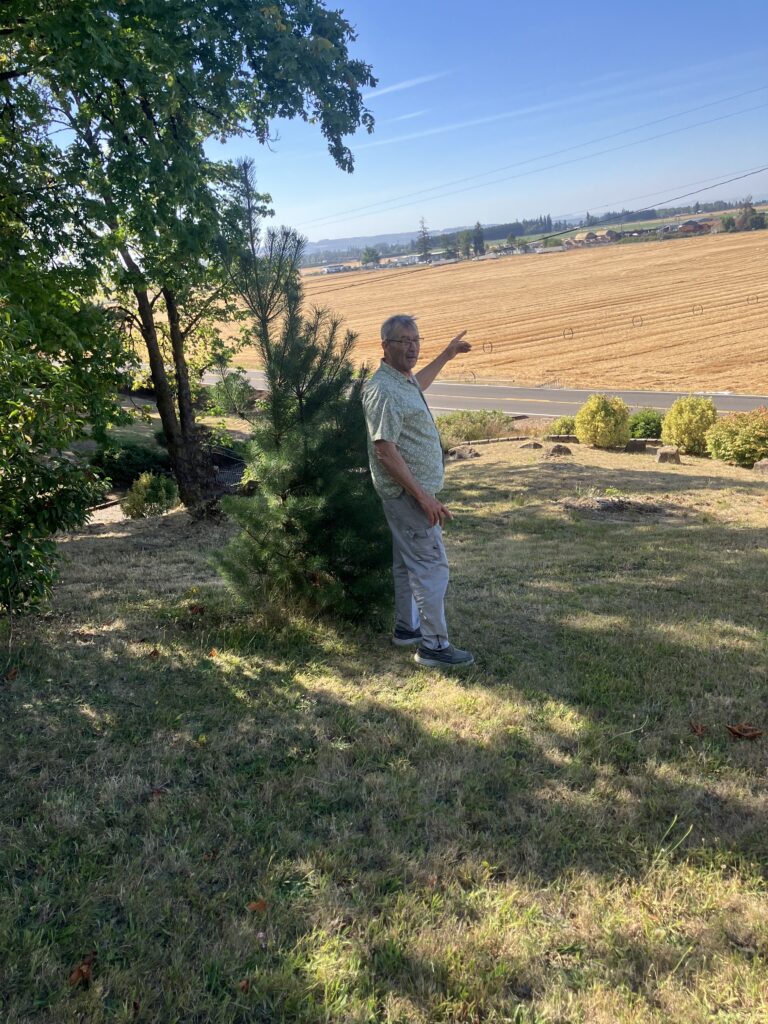
From an Oregon Land Specialist Who Has Guided Multiple Heirs Through Selling Inherited Oregon Acreage If you inherited Oregon land, such as a family farm, timber ground, or acreage passed down for a generation or more, one of the most valuable things you can understand before selling is the stepped up basis. It’s the single biggest reason heirs often owe far less capital gains tax than they assume when they sell inherited property, and a lot of people list their land without ever finding out how much it actually helps them. Read more: Capital Gains Tax on Oregon Land Sales: What You’ll Actually Owe in 2026 What “basis” means, and why it matters Your basis in a property represents what the IRS considers your cost in it. You use this amount to calculate your taxable gain when you sell the property. If you bought land for $100,000 and sold it for $400,000, your gain is roughly $300,000, and that’s what capital gains tax applies to. Basis is the foundation the whole tax calculation sits on. Why inherited land gets a different basis than purchased land When you inherit property instead of buying it, the tax code generally lets your basis “step up” to the property’s fair market value on the date the person you inherited it from passed away — not what they originally paid for it decades earlier. This matters enormously for Oregon land, because a huge amount of Oregon farmland and timberland has been in families for 40, 50, even 100+ years, often purchased for a tiny fraction of today’s value. A simplified example: Say your grandfather bought 80 acres of Willamette Valley farmland in 1975 for $20,000. If he still owned it when he passed and you inherited it, your basis isn’t $20,000 — it’s roughly what that land was worth on his date of death, which today might be $600,000 or more. If you sell it for $650,000, you calculate your taxable gain using the stepped up $600,000 basis rather than the original $20,000 basis. You would owe capital gains tax on roughly $50,000 of gain instead of $630,000. This difference can turn a potentially devastating tax bill into a much more manageable one. Read more: Why Your Oregon Bare Land Isn’t Selling (And What to Do About It) This is why the “just sell it, taxes will eat it anyway” assumption is often wrong I regularly talk to heirs who assume that selling inherited land will trigger a massive tax bill because the property has appreciated so much since the original purchase. They often feel genuinely surprised when they learn how much stepped up basis can protect them. This doesn’t mean there’s zero tax; appreciation since the date of death is still taxable gain. But it usually means the number is far smaller than people fear, and that fear alone shouldn’t drive a rushed decision to sell below value or accept a lowball cash offer just to “get it over with.” How to actually establish your stepped-up basis This is the part that trips people up, because it requires documentation, not guesswork: Get a date of death appraisal, or obtain a retrospective appraisal if you did not get one at the time. This document establishes your new basis. Without it, you may have a much weaker position with the IRS if it questions your return. Check whether the estate went through probate, and if so, whether an appraisal was already filed as part of that process — it may already exist in the court file. Document any capital improvements made to the property since you inherited it (a new well, road work, structures), since those add to your basis going forward. Confirm how the property was titled — jointly owned property, property in a trust, and property owned solely by the decedent can each be treated differently for basis purposes. How this connects to selling through probate If the land is still working its way through the probate process rather than already being in your name, the sale and the basis question often move together. I’ve written a separate, detailed article on how the Oregon probate sale process actually works, timeline and all, if that’s where you’re at. Read more: Willamette Valley Farmland For Sale: What Buyers Need to Know Before You Buy in 2026 What if multiple heirs inherited the land together? This is extremely common with Oregon farmland and timberland — three, four, sometimes eight or more siblings and cousins inheriting a share of the same parcel. Each heir generally gets their own proportional stepped-up basis, but decision-making gets complicated fast when that many people need to agree on price, timing, and whether to sell at all versus keep it in the family. In my experience, the parcels that sit unsold longest — and the ones that generate the most family friction — are almost always the ones with multiple heirs and no single point person coordinating the sale. Having one specialist manage communication, valuation, and offers for the whole group tends to be the difference between a smooth close and a year of stalled phone calls. What to do if you’re not ready to sell yet Understanding your stepped-up basis matters even if you’re not planning to sell right away. If you decide to keep the land for now, document everything — the date-of-death appraisal, any improvements, and how the property is titled — while the information is still easy to gather. I regularly hear from heirs years later trying to reconstruct records that would have taken one phone call to get right at the time. Getting this documentation in order early also means that whenever you do decide to sell, whether that’s next year or in twenty years, you’re not scrambling to prove your basis under time pressure. Read more: What Is Oregon’s Urban Growth Boundary? How It Affects Your Land Value Don’t skip the CPA conversation I want to be direct about this: I’m a land specialist, not a tax professional, and
Capital Gains Tax on Oregon Land Sales: What You’ll Actually Owe in 2026
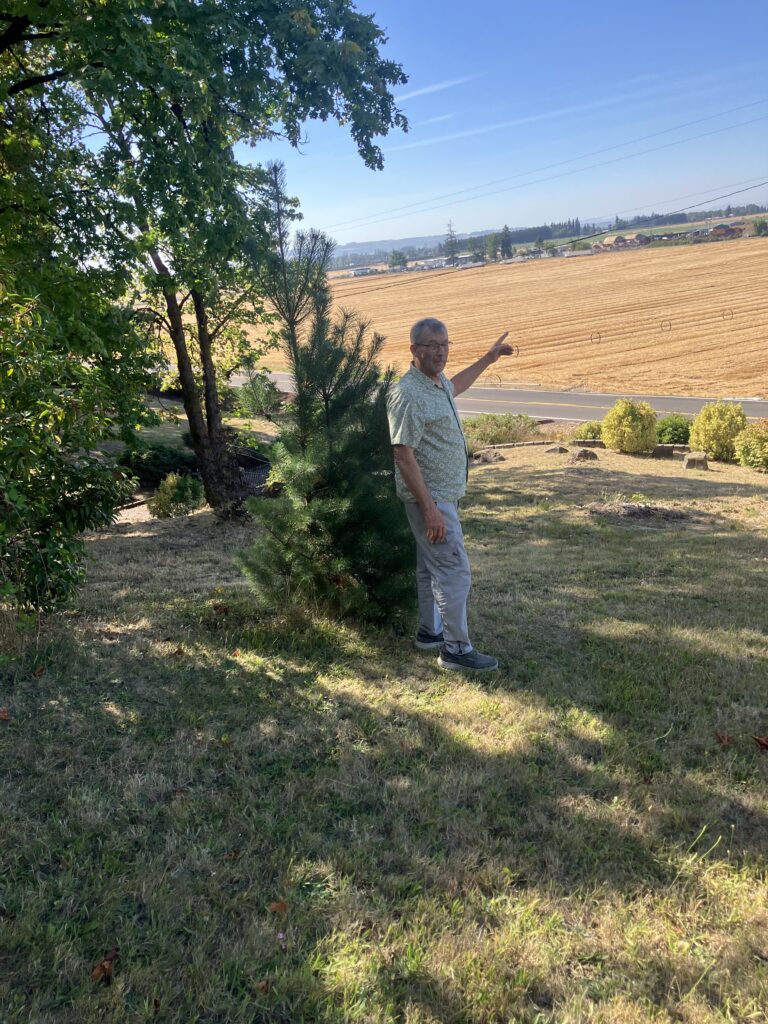
From an Oregon Land Specialist Who’s Helped Clients Structure Multi-Million-Dollar Land Sales, Including a $4M 1031 Exchange “How much am I going to lose to taxes?” is usually the very first question I get from a landowner thinking about selling — and it should be. Before you accept an offer, list a parcel, or start a 1031 exchange, you need a realistic picture of what capital gains tax on an Oregon land sale actually looks like. Here’s the straight version, in plain English, with the caveat up front that I am a land specialist, not a CPA — the numbers below are general education, and you should run your specific situation past a tax professional before you sell. Read more: Willamette Valley Farmland For Sale: What Buyers Need to Know Before You Buy in 2026 The two-layer tax you’re actually paying When you sell Oregon land for more than your cost basis, you owe tax at two levels: Federal long-term capital gains tax — if you’ve owned the land more than a year, your federal rate is 0%, 15%, or 20%, depending on your total taxable income for the year. Most landowners selling appreciated Oregon acreage land in the 15% or 20% bracket. Oregon state tax — this is the part that surprises a lot of sellers. Oregon does not have a separate, lower capital gains rate the way some states do. Plus, Oregon taxes capital gains as ordinary income, at Oregon’s regular income tax brackets, up to a maximum rate of 9.9%. Stack those together and a higher-income seller can be looking at combined federal-plus-state tax approaching 30% of the gain — meaningfully more than sellers expect if they’ve only thought about the federal number. Read more: Why Your Oregon Bare Land Isn’t Selling (And What to Do About It) A simple example (illustrative only) Say you bought 40 acres of Oregon bare land years ago for $120,000, and today it’s worth $420,000. Your gain is roughly $300,000. If you’re in a high federal bracket (20% long-term rate) and Oregon’s top rate applies to the gain, you could owe somewhere in the range of $85,000-$90,000 in combined federal and state tax on that sale — before any selling costs are factored in. Every number in that example changes based on your actual basis, your income, deductions, and whether any of the gain qualifies for special treatment, so treat it as illustrative, not a quote for your parcel. Read more: Willamette Valley Farmland For Sale: What Buyers Need to Know Before You Buy in 2026 What actually reduces the tax bill There are a handful of legitimate ways landowners lower what they owe on an Oregon land sale — this is where a good CPA earns their fee: Timing matters more than people think Whether you close in December or January can shift which tax year the gain lands in, which matters if your income is unusually high or low in one of those years. Whether you’ve owned the land more than 12 months determines if you get long-term rates at all — selling short-term land gets taxed as ordinary income with no preferential rate. None of this is something to figure out after you’ve already accepted an offer; it needs to be part of the conversation before you set a closing date. Why this matters for how you price and negotiate Understanding your real, after-tax number changes how you think about offers. A seller who only thinks in gross sale price can turn down a perfectly good offer chasing a higher number that, after taxes, actually nets them less than a 1031 exchange into replacement property would have. This is exactly why I walk every seller through the tax and exchange picture before we ever talk about listing price — the goal isn’t the biggest sale number, it’s the biggest number that actually lands in your account. Read more: What Is Oregon’s Urban Growth Boundary? How It Affects Your Land Value Selling costs also reduce your taxable gain It’s worth remembering that your taxable gain isn’t simply sale price minus purchase price. Selling costs — real estate commissions, title and escrow fees, and certain closing costs — generally reduce the amount subject to capital gains tax, the same way capitalized improvements to your basis do. Sellers who forget to account for this sometimes overestimate their tax bill and undervalue what a professionally marketed sale actually nets them versus a quick cash offer with a lower gross price but fewer costs offsetting the gain. Your CPA can walk through exactly which costs on your closing statement count toward this. Why sellers sometimes rush — and regret it I’ve seen sellers accept a fast cash offer specifically to “avoid the tax hit,” without realizing the tax calculation is largely the same regardless of who buys the land or how quickly it closes. The tax is driven by your gain, your income, and your holding period — not by whether you sold through a traditional listing or a quick cash buyer. Rushing a sale to dodge taxes that apply either way usually just means leaving money on the table from a lower sale price, without actually reducing what you owe. Frequently asked questions Does Oregon have a separate capital gains tax rate? No. Oregon taxes capital gains as ordinary income under the state’s regular income tax brackets, topping out at 9.9%. Do I owe capital gains tax if I inherited the land? Possibly much less than you’d think, because of stepped-up basis. See my separate article on inherited Oregon property for the full explanation. Can I avoid capital gains tax entirely? A properly structured 1031 exchange defers (not eliminates) the tax by rolling proceeds into replacement property. Full elimination generally only happens through specific circumstances like certain inherited-property situations or if the gain falls within the 0% federal bracket. Should I talk to a CPA before or after I list my land? Before. The tax and exchange strategy can affect your asking price,
Why Your Oregon Bare Land Isn’t Selling (And What to Do About It)
From a Land Specialist and 30-Year Licensed General Contractor Who’s Sold Oregon Land for 20+ Years If you’ve had a parcel of Oregon bare land sitting on the market for months — or you’ve tried to sell it before and gave up — you’re not doing anything unusual. Bare land is a fundamentally different sale than a house. It moves slower, it attracts a smaller buyer pool, and it gets marketed wrong far more often than homes do. In my 20+ years selling Oregon bare land, EFU farmland, and timberland, I’ve walked into almost every version of “why isn’t this selling,” and it almost always comes down to one of six things. More About Me Why Your Oregon Bare Land Isn’t Selling 1. It’s priced off the wrong comparables The biggest reason bare land sits on the market is that sellers price it using home sale logic or a generic per acre figure from a national land website instead of using comparable local land sales. Land value depends on factors that home appraisals often overlook, including zoning, soil class, water rights, access, and buildability. Two ten acre parcels located half a mile apart can have very different values if one has EFU restrictions and no legal access while the other has road frontage and a septic approved building site. If you set your listing price using a Zillow style algorithm or a quick comparable search, you may have identified the first major problem. Learn more: How Do I Find Out If My Oregon Land Has Water Rights? (Step-by-Step Verification Guide) 2. Buildability was never confirmed — or never disclosed This is the one that kills deals late, after months of “interest” that never turns into offers. Buyers who are seriously looking at bare land almost always want to know: can I build here? That means: If your listing doesn’t answer these questions up front, serious buyers move on to a parcel that does — and you never even hear from them. 3. The marketing treated it like a house Land buyers search differently than home buyers, and they need different information. A listing with one blurry photo of a field and a description that says “beautiful acreage, great potential” tells a buyer nothing they can act on. What sells bare land is an aerial or drone shot showing the actual boundary and terrain, a soil map, a clear statement of zoning and permitted uses, water rights status, and — critically — distribution to land-specific buyer pools, not just the general residential MLS feed most agents rely on by default. 4. It’s carrying farm deferral and nobody explained what that means to a buyer If your land qualifies for Oregon’s farm use special assessment, which reduces property taxes for qualifying farmland or forestland, that status can add real value. However, it can also scare off buyers who do not understand the program. Worse, a sale can disqualify the land and leave the buyer with a back tax bill after closing. I cover exactly how that back-tax calculation works in a separate article, but the short version for sellers is: get ahead of this in your listing instead of letting a buyer’s attorney discover it during due diligence. Read more: Sell or Hold Oregon Bare Land? An Honest Financial Analysis (2026) 5. Title or boundary issues are sitting quietly in the background Rural Oregon parcels, especially those that families have owned for decades, often contain old mineral reservations, easements that owners never formally released, or fence lines that do not match the recorded legal description. These issues rarely stop a sale when sellers identify and address them early. They absolutely are deal-killers when a buyer’s title company flags them three weeks into escrow and the buyer walks. Having spent five years in the City of Salem survey department and growing up in a land surveying family, this is the first place I look on any listing I take. 6. The pool of buyers who’d actually want this specific parcel was never reached Land buyers are a niche audience: hunters, hobby farmers, timber investors, builders, 1031 exchange buyers, and people planning to build a homestead. They don’t all search the same places, and they respond to different things — a builder cares about buildable acreage and utilities, a timber buyer cares about board-foot volume and access for equipment, a 1031 buyer cares about like-kind qualification and closing timeline. A generalist listing approach reaches none of them well. A land-specific approach — the right photos, the right facts, the right distribution — reaches all of them. Read more: Willamette Valley Farmland For Sale: What Buyers Need to Know Before You Buy in 2026 What Actually Fixes a Stale Bare Land Listing If your parcel has been sitting, here’s the order I work through with a seller: Re-verify the comps with actual recent land sales — not home sales, not national averages. Run buildability and access down to a documented answer, so it can be stated as fact in the listing, not left as a question mark. Check farm deferral, tax-lot, and title status so nothing surprises a buyer’s attorney later. Rebuild the marketing around what land buyers actually need to see — boundary maps, zoning, water rights, access, and honest photos of the actual terrain. Get it in front of the specific buyer type this parcel fits — timber buyer, farm buyer, builder, or 1031 exchange buyer — instead of a generic listing feed. Most of the time, land that’s “not selling” isn’t actually unsellable. A quick gut-check before you assume the worst If you’re wondering whether your land is simply unsellable, it helps to separate the parcel from the process. A landlocked, unbuildable, badly zoned parcel is genuinely a harder sell — but that’s rare. Far more often, I find perfectly good land that’s simply never had its buildability confirmed, never been shown to the right buyer pool, or never had its price checked against real land comps. Before you assume there’s something fundamentally wrong with
Willamette Valley Farmland For Sale: What Buyers Need to Know Before You Buy in 2026
From a 20+ Year Oregon Land Specialist Who Grew Up in a Land Surveying Family If you’ve started searching “Willamette Valley farmland for sale,” you’ve probably already noticed two things. First, the soil here is genuinely different — Willamette silt loam is some of the most productive farmland in North America, which is why this valley grows everything from hazelnuts and wine grapes to berries, grass seed, and row crops on the same 100 miles of ground. Second, good parcels don’t sit long, and a lot of the best ones never make it to a public listing at all. I’ve spent more than 20 years selling bare land, EFU farmland, and timberland across the Willamette Valley, and I grew up in a land surveying family — running property lines and cruising timber with my father starting at age 12, then spending five years in the City of Salem survey department. I’m telling you that not to pad a bio, but because most of the mistakes I see farmland buyers make are boundary, access, and zoning mistakes — the exact things a surveying background trains you to catch before you write an offer. Read more: What Is Oregon’s Urban Growth Boundary? How It Affects Your Land Value Why Willamette Valley farmland demand is climbing in 2026 Three things are stacking on top of each other right now. Remote and hybrid work has let more buyers treat “close enough to Portland or Salem” as good enough, which pulls city money into rural counties. Interest in small-scale agriculture — vineyards, hazelnut orchards, U-pick berries, agritourism — keeps growing, and the Willamette Valley is one of the few places in the country where that’s a realistic business, not a hobby. And a wave of long-time owners are aging out of farming and either selling outright or looking at a 1031 exchange into something more passive. That last group is often where the best off-market opportunities come from. What “farmland for sale” actually means here Not every parcel marketed as farmland is the same product, and this is where buyers get tripped up: Knowing which bucket a listing falls into changes what you can actually do with the property, so it needs to be nailed down before you get emotionally attached to a parcel. Read more: How Do I Sell Timberland in Oregon? (What Buyers Want and How to Maximize Your Return) What Willamette Valley farmland actually costs USDA’s most recent statewide farm real estate data put average Oregon farmland value at roughly $3,780 per acre in 2025 — but that’s a statewide blended average across desert range ground, timber, and valley farmland, and it will understate what premium Willamette Valley soil actually trades for. Valley bottom ground with good soil class, water access, and EFU productivity routinely commands multiples of that statewide figure, while marginal hillside acreage can trade well below it. There is no substitute for a current comparable-sales analysis on the specific parcel and soil type you’re looking at — ask for one before you anchor on a number you saw in a national headline. Five things to check before you make an offer Water rights. A certificated water right can be worth more than the dirt itself for irrigated crops, and it doesn’t automatically transfer the way people assume. Soil class and drainage. Class I-II soils support the widest range of crops; Class III-IV limits your options. A county soil survey tells you this before you spend a dime on a perc test or ag consultant. Boundary and access. Rural parcels frequently have fence lines that don’t match the recorded boundary, and “access” on paper doesn’t always mean a legal, maintained road. This is exactly the kind of thing a land specialist with a surveying background checks as a matter of habit. Farm deferral status. If the seller is currently getting the reduced special-assessment tax rate, find out what happens to that status at closing and what your obligations are to keep qualifying — or what you’ll owe if you don’t. Mineral, timber, and easement reservations. Older Willamette Valley deeds sometimes carry reservations that limit what you can do with part of the property. Title work needs to flag these clearly, not bury them in exception language. Read more: Sell or Hold Oregon Bare Land? An Honest Financial Analysis (2026) Where the good parcels are — and aren’t listed I work farmland across Marion, Polk, Yamhill, Linn, Benton, and Clackamas counties, with towns like Salem, Dallas, Monmouth, Newberg, Woodburn, Canby, Albany, and Corvallis all inside that footprint. A meaningful share of the best-producing ground changes hands quietly — a longtime owner ready to retire, an heir who wants out of active farming, an estate that needs to liquidate. Those sellers often talk to one land specialist before anything ever goes to MLS, which is a big part of why working with someone who specializes specifically in Oregon land — not a generalist residential agent — matters if you want a shot at those parcels. Why a land specialist instead of a general Realtor Farmland transactions touch water law, farm-use taxation, soil science, and sometimes 1031 exchange timing all at once. A generalist agent who mostly sells subdivision homes isn’t wrong to try, but they’re learning on your transaction. I’ve spent two decades focused specifically on Oregon bare land, EFU farmland, and timberland — including a 30-year background as a licensed general contractor and direct experience buying commercial property for institutional clients — so the due diligence checklist above isn’t theoretical for me, it’s Tuesday. Read more: How Do I Find Out If My Oregon Land Has Water Rights? (Step-by-Step Verification Guide) Frequently asked questions Is Willamette Valley farmland a good investment in 2026? For buyers with a genuine ag use, a long time horizon, or a 1031 exchange to place, valley farmland has historically held value well because productive soil is a finite, non-reproducible asset. It is not a liquid, short-term flip investment — plan to hold it. Can I build a house on farmland